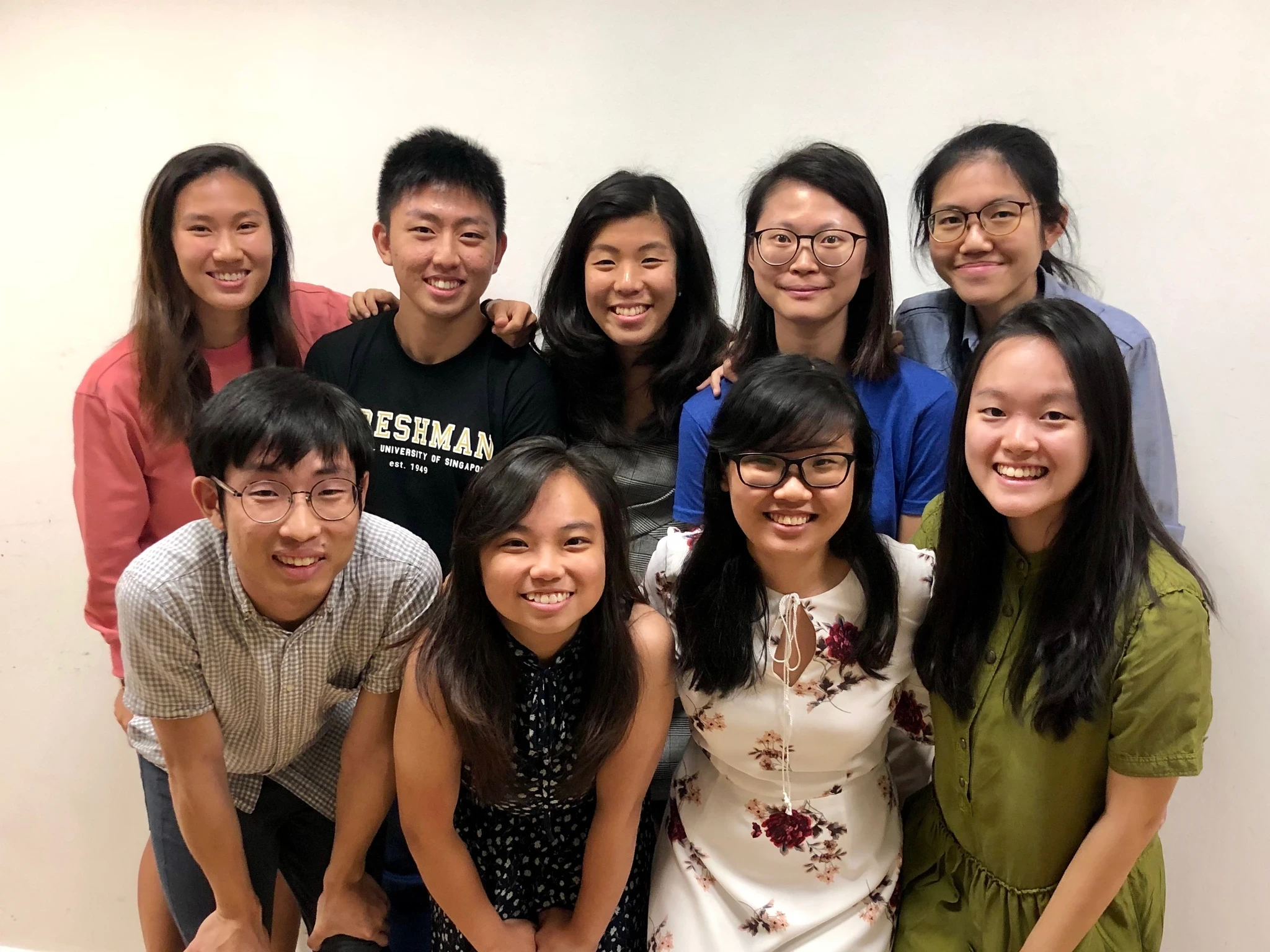
Hatch started the way most good things do — a small group of people who cared enough to try, working out of a dorm room in NUS. The first attempt was a Hawkerpreneur program for youth at risk. The youth didn't take to it. Rather than push through, the team listened — and went back to the drawing board.
Spotted a boom in digital marketing and UI/UX and saw a real opening for underrepresented youth. Launched officially with the first pilot: 3 students trained and placed in web design.
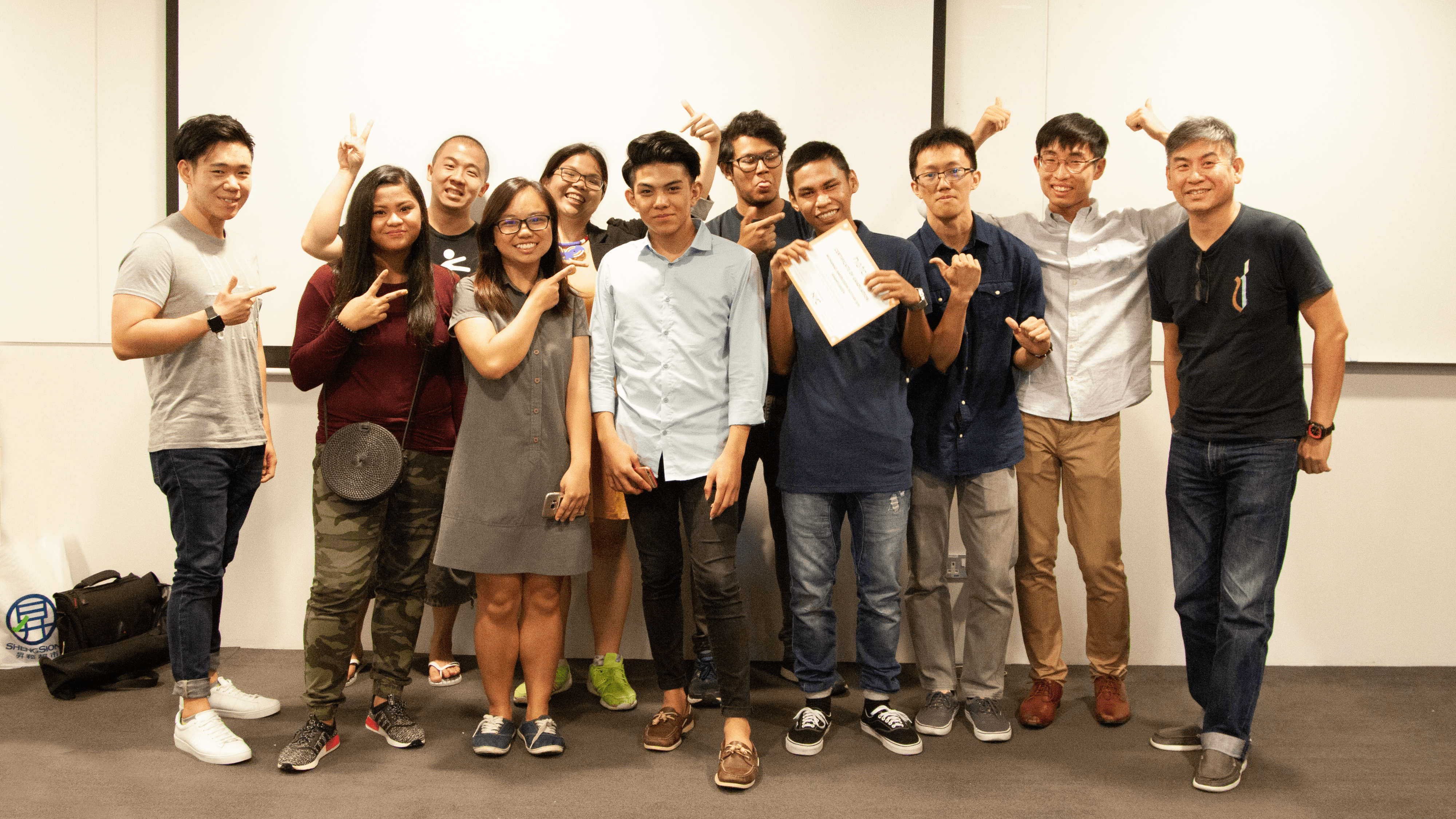
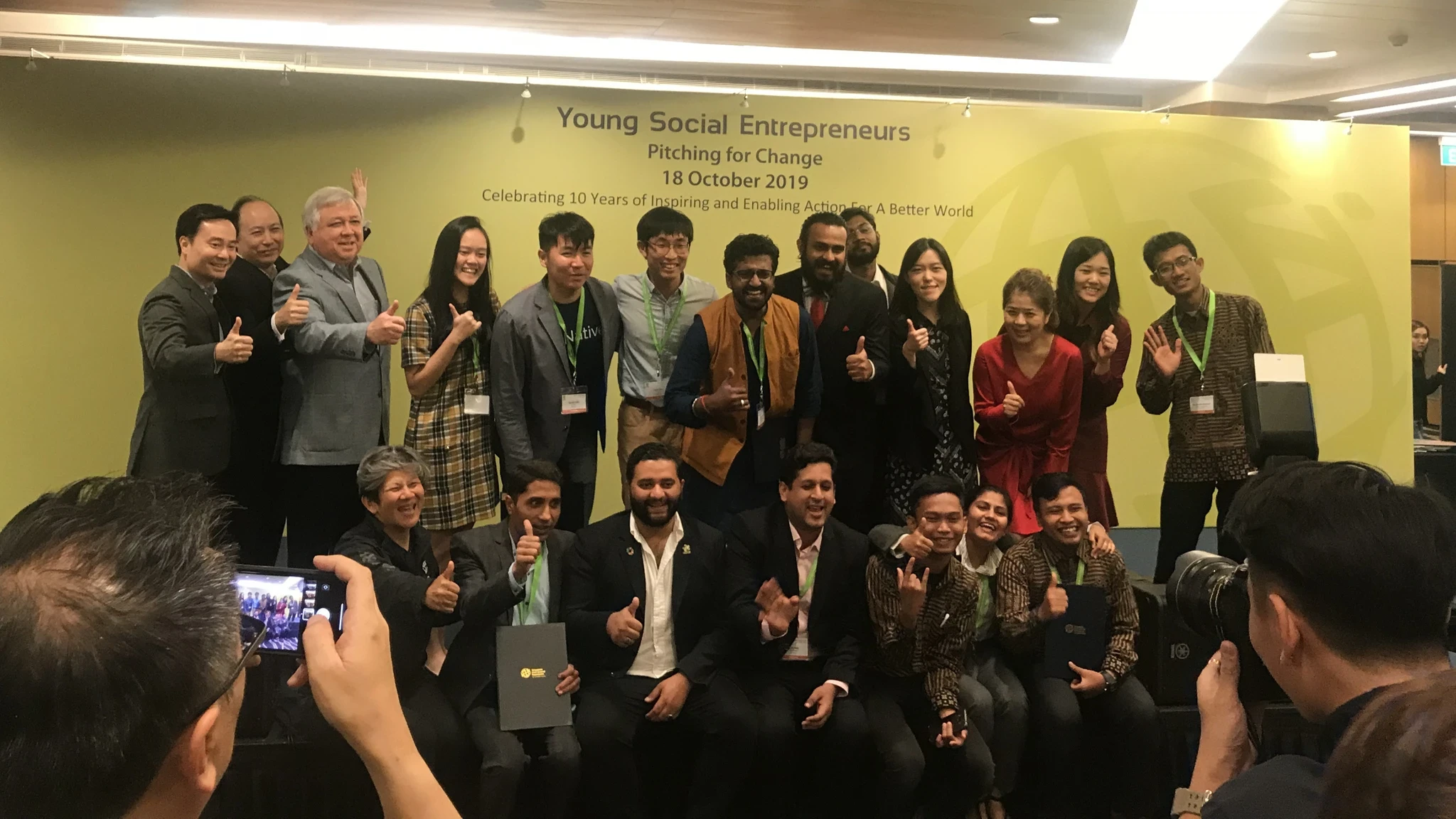
Scaled to 2 cohorts a year. Started building out the business model in earnest.
Placements stalled. A partner conversation sparked a pivot: instead of sending graduates out, bring work in. Hatch Mediahouse was born — an in-house studio where graduates gain real experience with SME clients on social media.
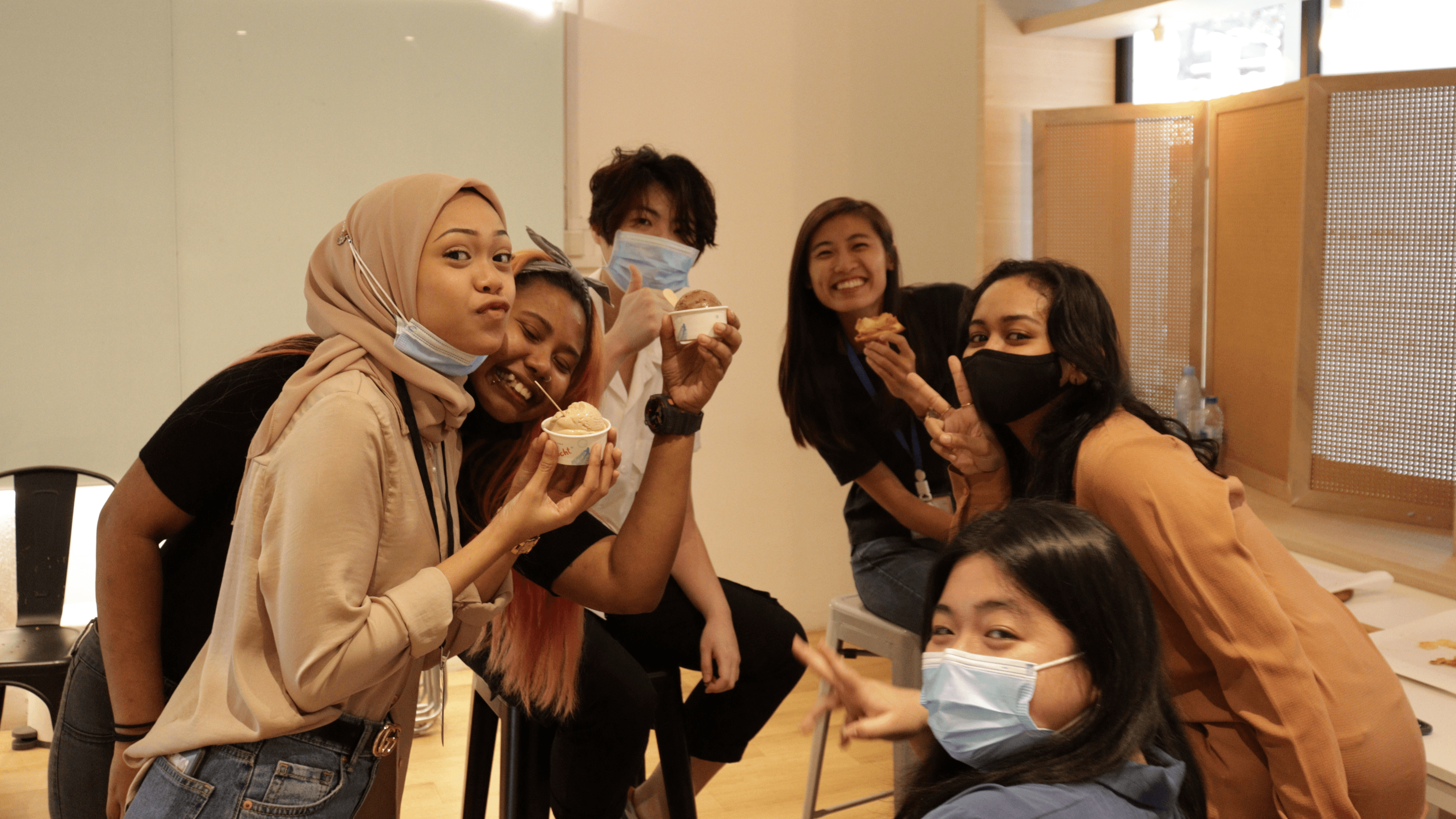
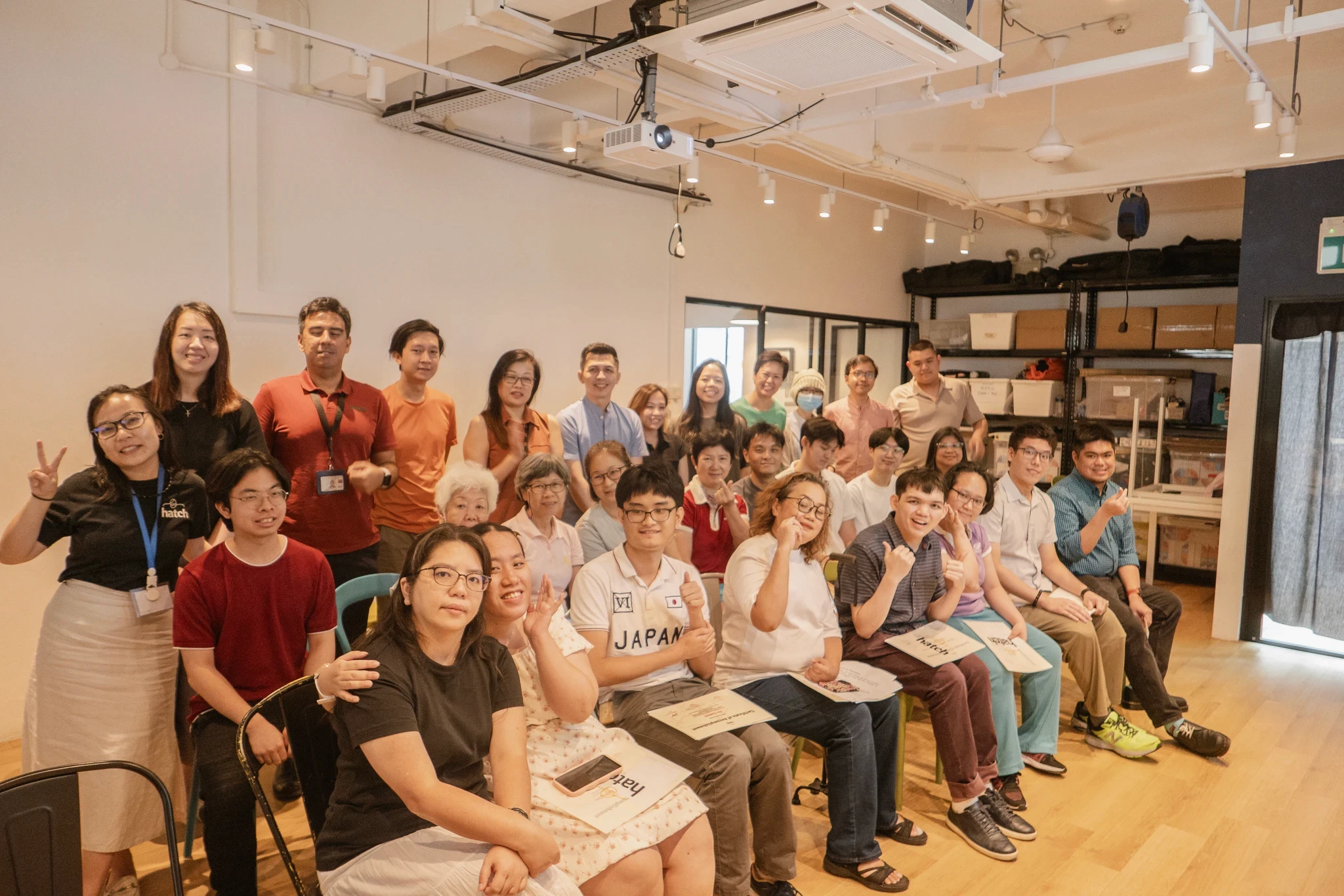
Launched a social media marketing programs for persons with disabilities. The repeatability of social media marketing work made it a strong fit — and opened a whole new community Hatch could serve.
DigiLABS launches — Hatch's first regional program, expanding the model beyond Singapore.
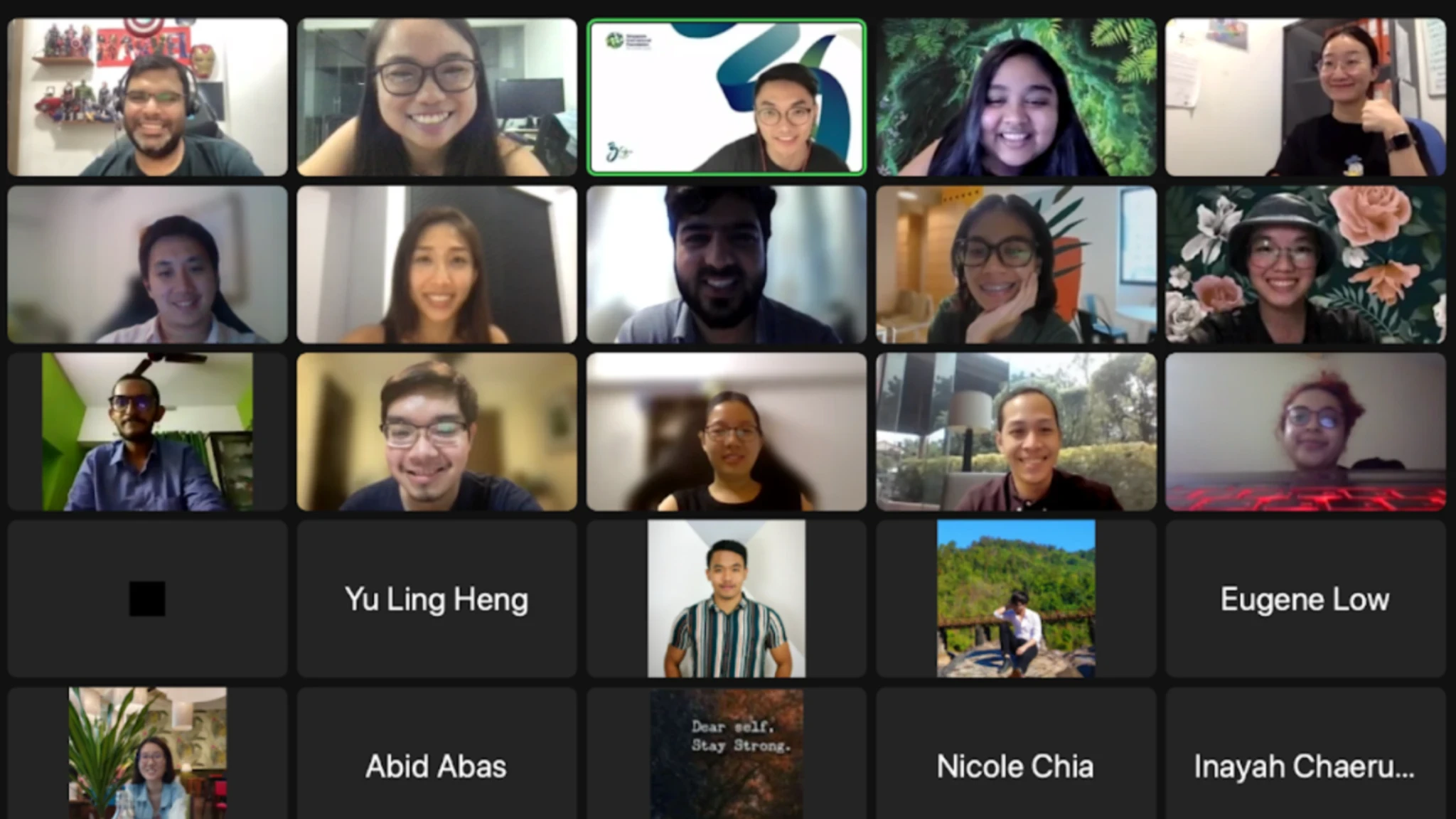
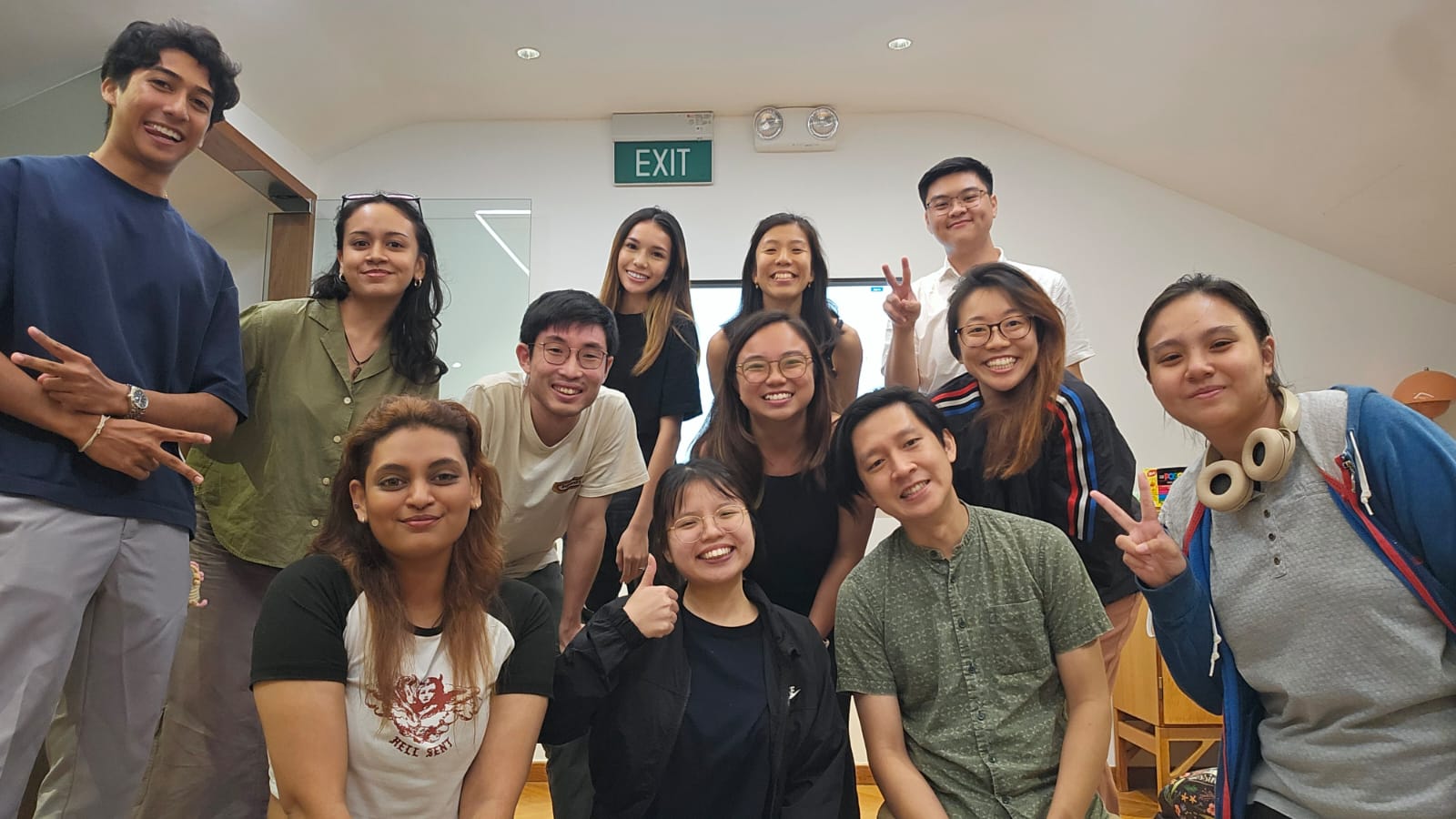
AI reshapes the job market. The needs of youth at risk evolve in ways that go beyond employment. Hatch begins seriously thinking about separating that work into its own entity.
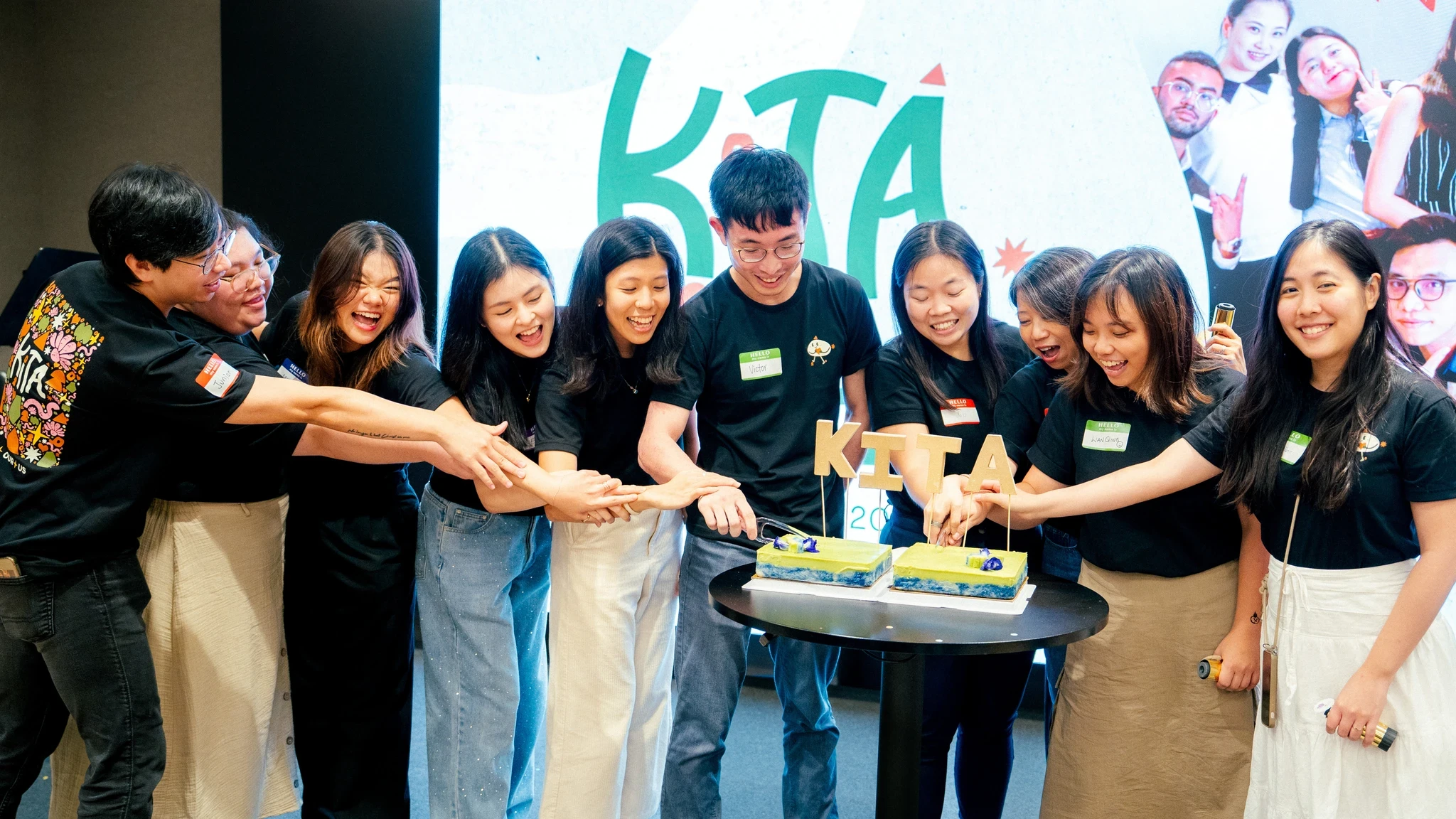
Through a participatory, co-creative process, Kita is established as an independent non-profit — walking with under-resourced youth as they claim their agency through belonging, expression, and practice.
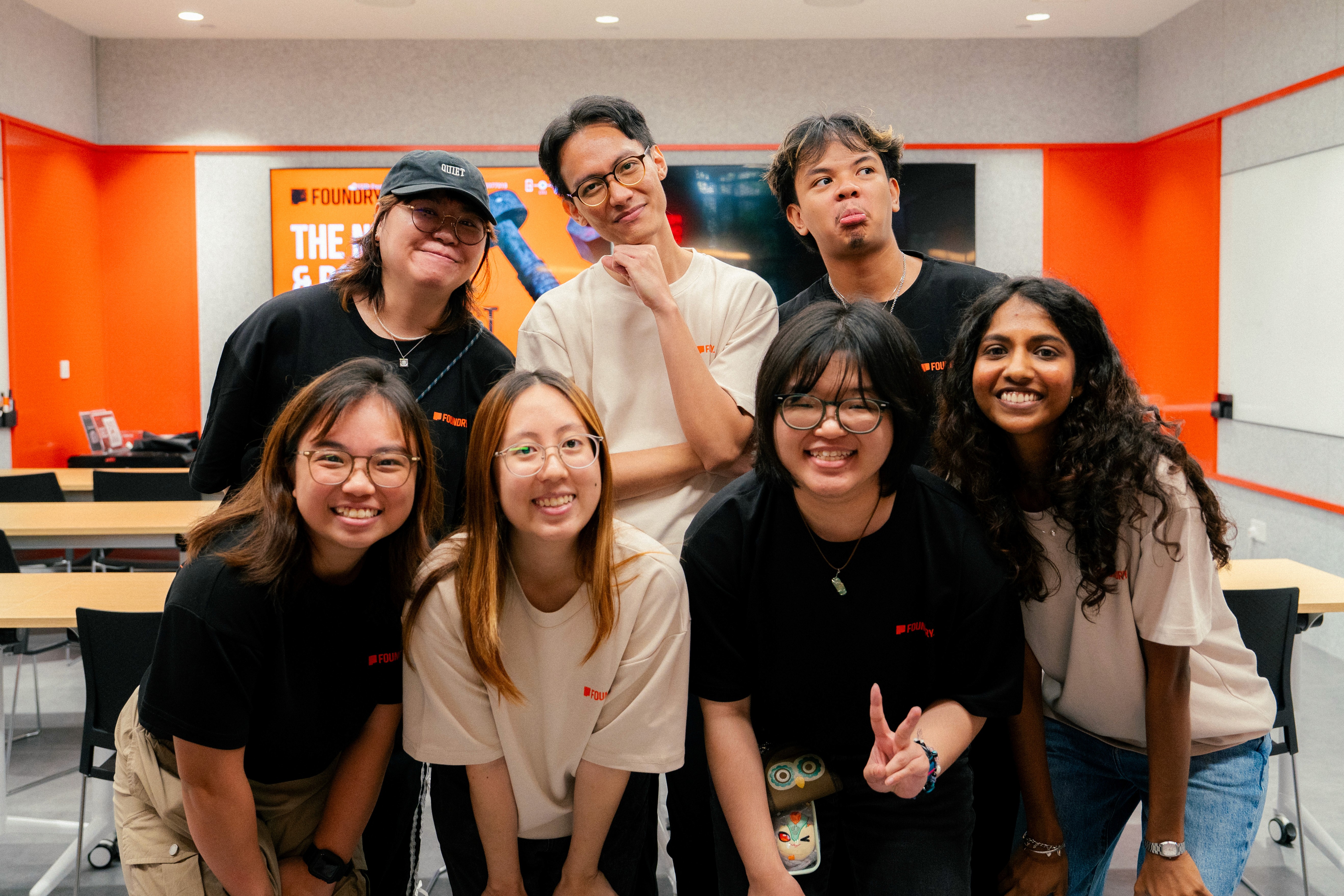
Hatch doubles down on its identity as employment infrastructure for Southeast Asia. Academy moves toward apprenticeship models. Hatch Mediahouse is now Hatch Media - a media channel telling the real story of working in SMEs — shifting how a generation thinks about where to build a career.