Published Oct 6, 2026


Dear reader, let’s talk about AI. As an organisation, we believe there is virtue in building in public. And in these times we are living in, developing our conscience, stance and framework around AI might be one of the most important things we do.
First things first, here's where we’re coming from and what you might need to know.
The first:
We are a social impact organisation that at the core, journeys with learners in building sustainable livelihoods and career mobility (yes, in this economy). We are only human to admit that most of the learners we hold closest to our hearts are the ones who didn’t have the biggest head start - and who may also among those most affected by the implications of AI and have the most at stake.
The second:
We take on and source projects that enable us to teach AI literacy to less-resourced demographics for free, because we believe in creating access. One of our side projects is also a philanthropically funded pilot about storytelling with AI for lower-income children (more on that later).
And finally:
Our team is made up of individuals that care about many things beyond themselves - inclusion and equity, climate, animals and their welfare, wellness, art, and more. And because we are a team that brings our hearts to the table alongside our heads and hands, we hold great tension about our feelings towards AI. Some of us identify as AI natives, while others sit unresolved with the harms of AI. And there’s a whole spectrum of us navigating and holding both tensions.
So that’s us.
The Tension We Hold
There is a business opportunity with AI. As a (small!) business that’s responsible for the livelihoods of our 16ish person team, it’s hard to overlook that.
We have benefited from some of these opportunities, and that is not insignificant. But we also recognise and celebrate our agency in shaping a better world, however we define it.
At the same time we hold a discomfort with the rapid proliferation of AI that we are still in the process of articulating. Previously, we’d written about our discomfort with the costs of AI on water supply, human workers who train LLMs, and our relationship with craft. And as we start to witness seeing some of the other effects of AI on society, we need to admit - out loud - that if we want to be responsible, we can’t just look away.
In the bigger scheme of things, by introducing more people to AI, we ask ourselves:
Are we contributing to the erosion of the value of craft?
Are we helping to accelerate the climate crisis?
What is the world that we’re building towards?
We work mainly with people from marginalised groups to navigate questions around livelihoods and career mobility, and AI is inevitably a part of this. And so we choose to stay in the question, and keep finding our way towards a good working answer.
Here’s what we believe, and what we’re going to do:
The work we do in providing free AI literacy is important. People who are already at the margins stand to lose the most from digital exclusion.
True literacy is not just learning how to use something but understanding how it works. The latter awards individuals or users immense power, and is what allows them to make better-educated decisions.
So we are going to open up how we navigate this, live.
We will continue to run free AI literacy trainings as long as the tool is relevant - this, too, is only responsible. But we are shifting to placing ethics and educated choices at the core of our curriculum, pushing for intentional and selective AI usage - AI for meaningful progress, not as a replacement for what only the human hand, heart, and head can bring to the table.
This shift will include engaging critically with our partners and funders - scary stuff, but important.
Internally, we are building out our team’s AI compass. It will document what our team values collectively and individually, our excitement and concerns about AI, and how we commit to stewarding AI use within our team in line with what we value, and in a way that minimises harm.
Finally, we commit to learning as the tools evolve, and commit to being open enough to changing our minds - anchored by our operating principles.
Might we miss out on opportunities and might this slow us down? honestly, anything is possible. but we are the kind of company that wants to do work that we are truly proud of and we hope you’ll come along on this ride. Stay tuned!
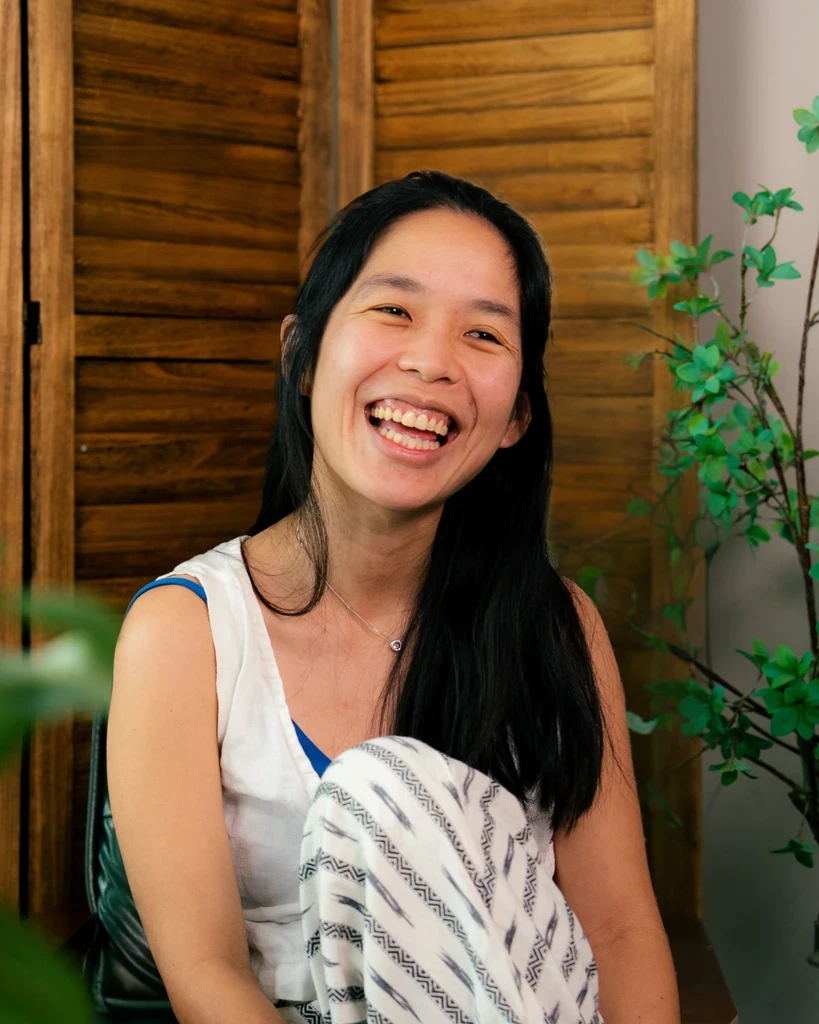
Yee Hui is the Marketing and Communications Manager at Hatch, making sure the world knows what Hatch is up to - and actually cares. A self-described shy person, she is somehow very good at making other people sound interesting. Off the clock, she has strong opinions about menstrual cycles and trashy reality romance TV, and will share them if you ask nicely.
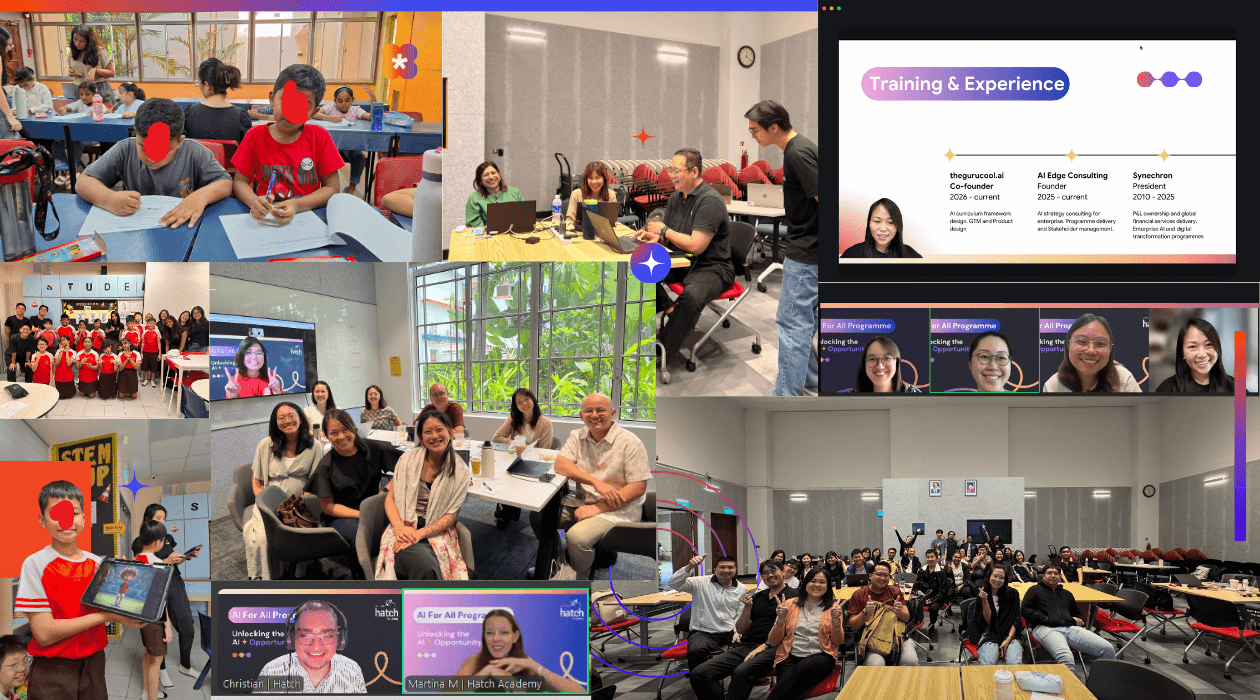
"Nothing is really free" - 5 things we learned from running AI literacy trainings
We've run AI literacy programmes for learners from all walks of life - here's what we've learned so far.
Product