Published April 6, 2026


Originally published on e27.
At Hatch, we believe Southeast Asia’s skills gap isn’t a talent problem — it’s an infrastructure problem. For seven years, we’ve worked alongside individuals whom the mainstream hiring pipeline had already passed over, and built pathways that the system hadn’t thought to make. We don’t just train people. We journey with them, through the uncertainty, the pivots, the life that happens in between.
The search for meaningful employment
We started this work in 2018 with a simple but demanding question: what does employment actually mean for someone the system has consistently overlooked?
We began with youths from underrepresented backgrounds — young people who had ability but lacked access, who had drive but had never been given the conditions to show it. Then, people with disabilities. Then caregivers to PWDs — a group whose labour is often invisible, whose own careers are perpetually deferred in service of someone else’s needs, and who are rarely the first person a hiring manager imagines when they talk about “talent pipelines.”
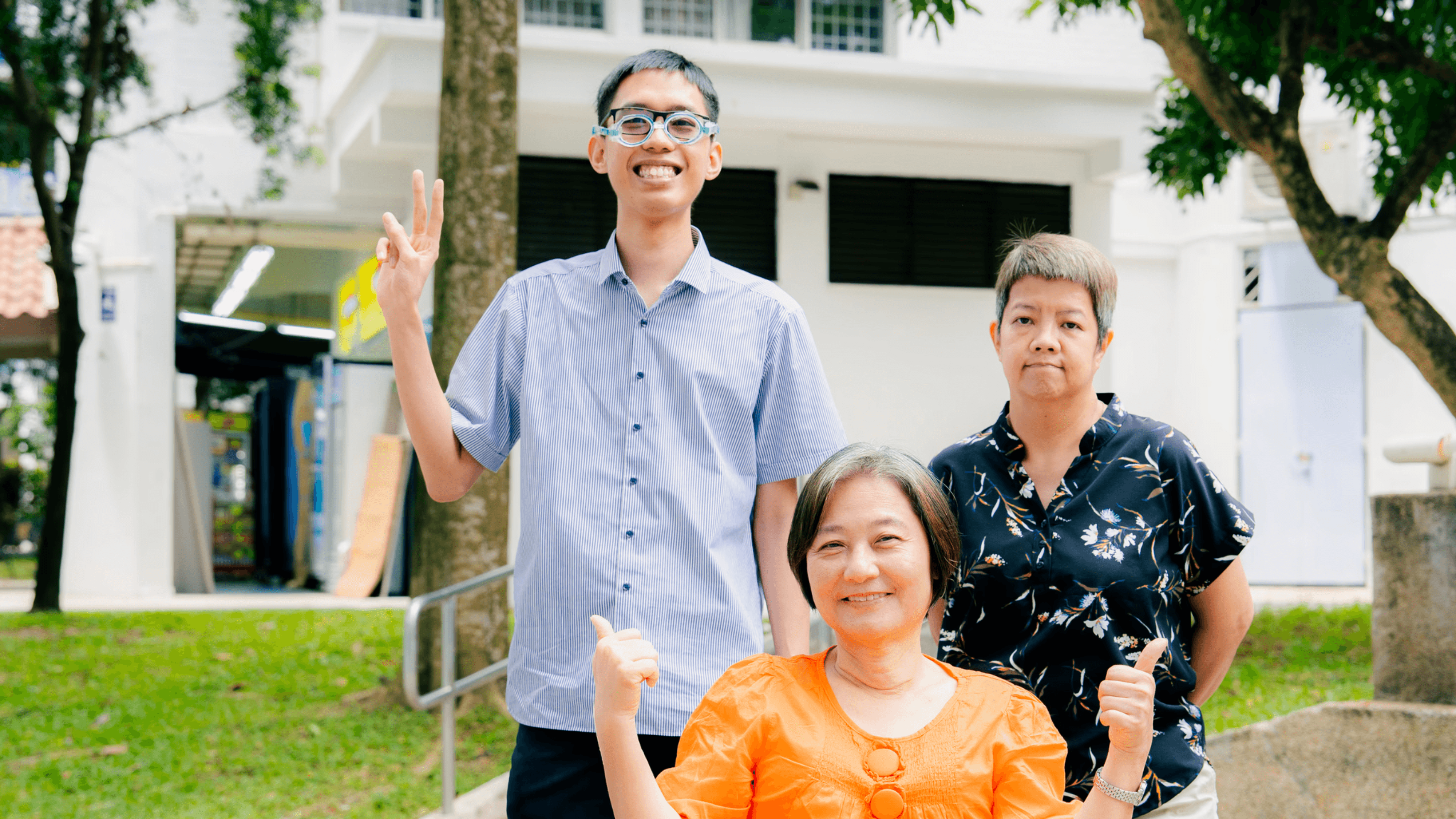
Each expansion wasn’t a strategic pivot. It was a response to what we kept seeing: that the barriers to meaningful work weren’t random. They were structural, overlapping, and deeply personal. The same person might be navigating a disability, a caregiving responsibility, a skills gap, and a hiring culture that had already decided, before the interview, what kind of person this role was for.
Our intention was never just job placement. It was levelling the field. Employment as dignity. As a financial agency. As the foundation someone needs to build the life they actually want, not the one handed to them by circumstance. When someone has income, they have choices. They can make decisions about housing, about family, about health, about the future. We don’t talk about that enough in workforce development — that a job isn’t just a job. For many of our learners, it’s the first real foothold.
What nobody talks about is how much work it takes to get someone to that foothold and to keep them there.
Designing for the long arc
One of our graduates completed our Immersive+ programme, landed a UX role at a major employer, and became a mother twice, in the years she was with us. We celebrated those births. We also sat with her through the harder moments: what it meant to be a young mum rebuilding a professional identity she was still forming, how to hold ambition and exhaustion at the same time, how to ask for what she needed in a workplace that hadn’t necessarily made space for it.
None of that is captured in a placement rate. It doesn’t show up in any dashboard or fund report. But it is the work. It is, arguably, the most important part of the work.
Two other graduates came through different cohorts studying digital marketing. Sharp, capable, the kind of people you’re proud to place. What I remember most isn’t their hiring day. Those moments are joyful but brief. It’s the longer arc that stays with me. The setbacks between milestones. The stretches of self-doubt that had nothing to do with competence and everything to do with whether they felt like they belonged in the rooms they were now entering. The conversations that happened over months, that weren’t just coaching sessions or formal check-ins, but just presence. It meant digging deep to go back to the original mission when individuals falter and stray, and holding on to the truth that they are more than their output, more than a placement number, more than what a difficult season might suggest about them.
This is what inclusion actually costs: time, attention, and the willingness to hold someone’s whole life, not just their employability. It requires a team that understands the difference between a placement and a person. It requires patience that doesn’t clock out at the end of the programme cycle.
Most institutions aren’t built for that. Their incentives aren’t designed around it. The metric is the hire, not the years after.
Holding space for what is still becoming
Then there are the stories that don’t resolve cleanly. Those, I think, are the most honest test of what an organisation actually believes.
One learner came to us with a clear aspiration: to work in programme facilitation, to be on the side of the table that opens doors for others. The challenge was that many of those roles are physically demanding, and their disability made that particular path complicated. So we tried an adjacent role, a pivot toward what seemed possible, a practical recalibration. It didn’t quite fit either.
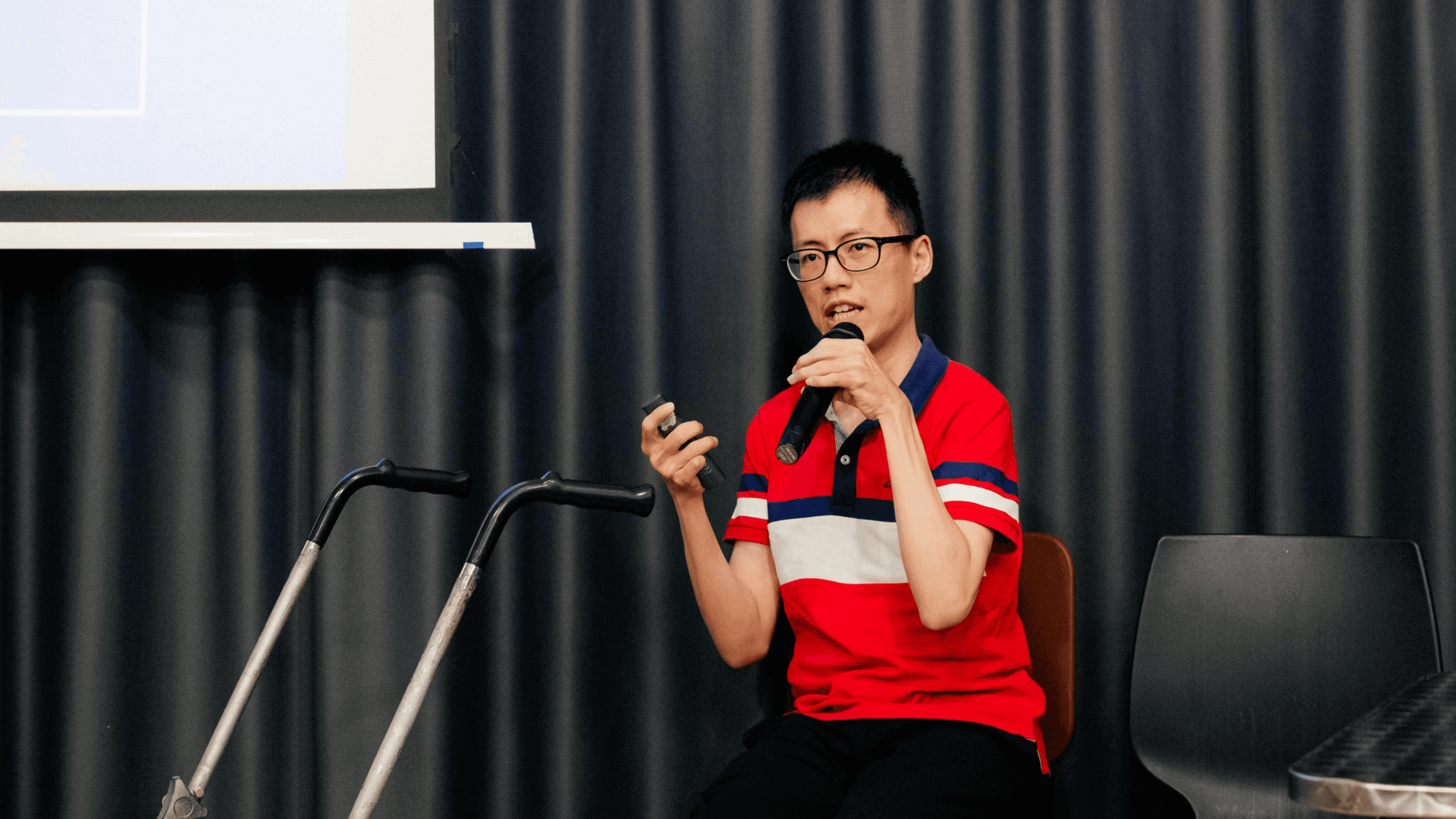
What do you do with that? The easy answer is to close the case, mark it as “explored,” and move on. The harder answer, the one we keep choosing, is to stay in the question. You don’t abandon the aspiration; you keep redesigning the pathway. You ask what the aspiration is really about: is it the specific role, or is it the meaning behind it? Is it facilitation, or is it contribution? And you keep working backwards from there.
That story isn’t finished. But it’s taught me that inclusion without genuine flexibility is just placement with better branding. And placement without fit eventually becomes another quiet exit: another person who tried, didn’t find their footing, and left the workforce more discouraged than when they arrived.
The sector needs to reckon with that honestly.
New pathways, new pressures
I think about all of this as the employment landscape shifts beneath us in ways that feel both exciting and unnerving.
Entry-level roles, the exact roles our learners are trying to step into, are contracting. AI is absorbing what used to be the first rung on the ladder: the data entry, the first draft, the repetitive task that taught someone how a workflow actually runs. Those rungs existed for a reason. They weren’t just jobs. They were the conditions under which someone learned, made mistakes at low stakes, and built confidence slowly enough for it to stick.
And I watch our learners interact with AI now. Some of them are using it in ways that genuinely move me, to draft what they couldn’t articulate before, to bridge the gap between the idea they have and the output they need to produce, to show up to an interview or a client brief with work that reflects their best thinking rather than the ceiling of their current skills. For learners who have spent years being told they’re behind, that experience of “I made this, and it’s good” is not a small thing.
But I also see the blind copying. The submitted work bears no relationship to the person’s actual understanding. The confidence that is performed rather than built. And I think that’s our next real challenge as an academy: not just teaching skills, but teaching judgment. The capacity to use powerful tools without losing the ability to think independently. That balance, between using what’s available and developing what’s yours, is something we’re actively working out as a team, and honestly, the whole sector is going to have to work it out together.
Building lives, not just careers
Underneath all of this is a question we’ve been sitting with at Hatch for some time now: what does work actually mean?
We’re exploring the idea of livelihood: that work isn’t just employment, it’s a function that enables people to live better. That framing changes what we’re trying to build. It shifts the goal from “did this person get a job” to “does this person have what they need to construct the life they want.” Those are related questions, but they’re not the same question.
The young mum navigating career and motherhood at the same time, her livelihood story is about more than a job title. The learner whose aspiration keeps bumping against structural barriers. Their story is about the distance between what someone wants and what the system makes possible. The caregiver who put their own ambitions on hold for years and is now, carefully, asking what they might still become. Their story is about reclamation.
These aren’t edge cases in our work. They are the centre of it.
The true cost of inclusion
Inclusion, done properly, has to hold all of that. The milestones HR tracks, yes, but also the ones it doesn’t. The births and bereavements. The pivots that didn’t work. The quiet conversations that happened at 11 am on a Tuesday with no agenda and no outcome metric, that nonetheless changed the direction of someone’s year.
What people don’t say, what I want to say plainly, is that real inclusion is expensive. Not primarily in money, though that too. Expensive in attention. In time. In the willingness to stay when the pathway isn’t linear. In the institutional humility to say: we don’t know the answer yet, but we’re not going anywhere.
The organisations I most respect in this space are the ones that have stopped trying to make inclusion look effortless. Who reports honestly on what didn’t work. Who measures retention alongside recruitment, and promotion alongside placement. Who understands that a person showing up to work and feeling like they genuinely belong there is a harder thing to build than a hiring target, and a far more valuable one.
That’s the long game. It’s slower and messier than the version that fits in a campaign. But it’s the only version we hold to be true in our team.
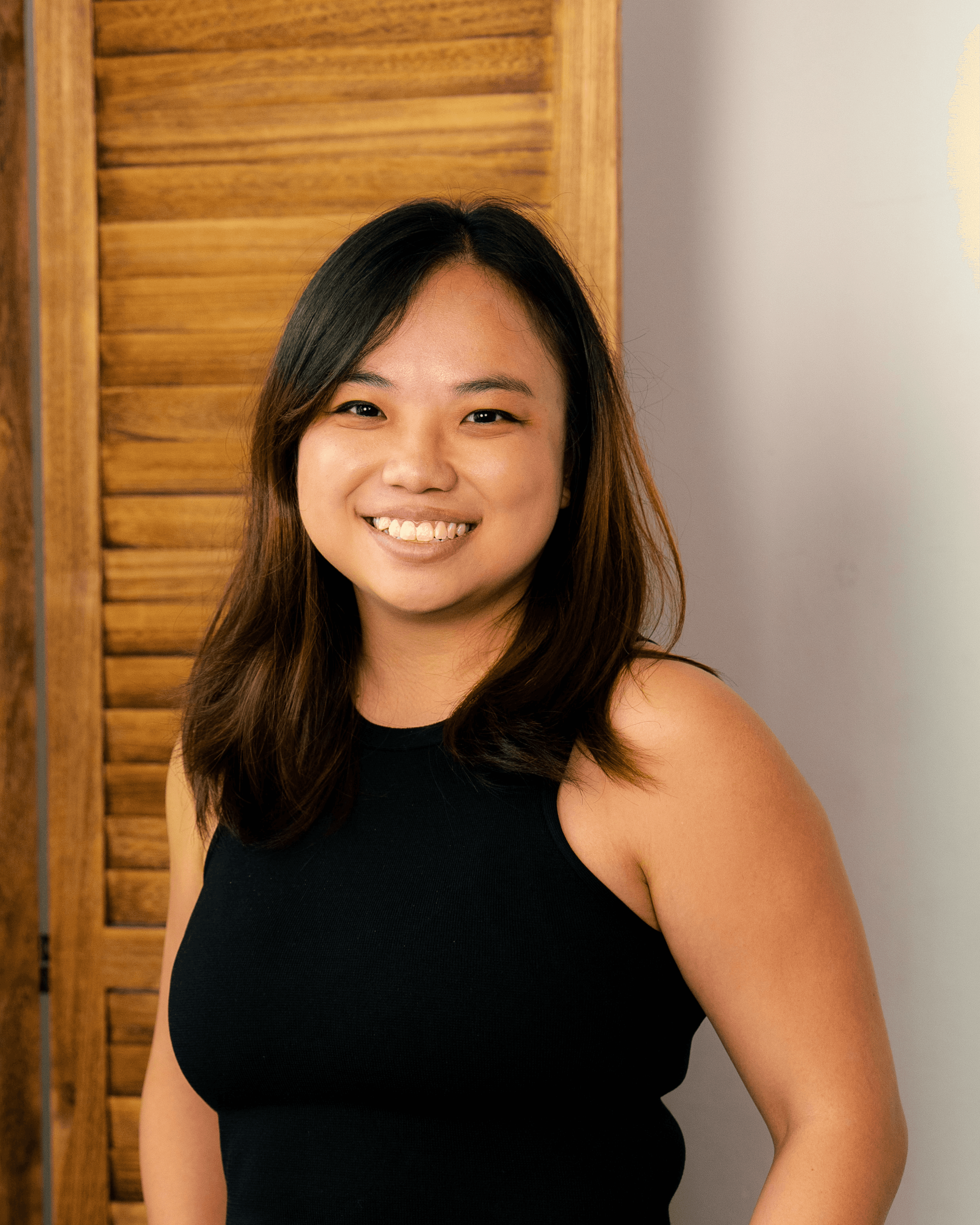
Wan Qing is the co-founder of Hatch and holds the title of Chief Hatch Officer, which means she is the self-appointed steward of Hatch's mission and its people's biggest hype woman — a job she takes very seriously. She also loves bread, and welcomes any and every opportunity to talk about her cats Fika and Kira.

“See the person first”: Meet Jun Hong and Zenas (the men behind programmes for PWDs at Hatch)
Get to know Jun Hong and Zenas - the duo who helm our vocational trainings for PWDs and serve our community of learners as job coaches - and the strong opinions they hold beyond their bios.
Team
Impact
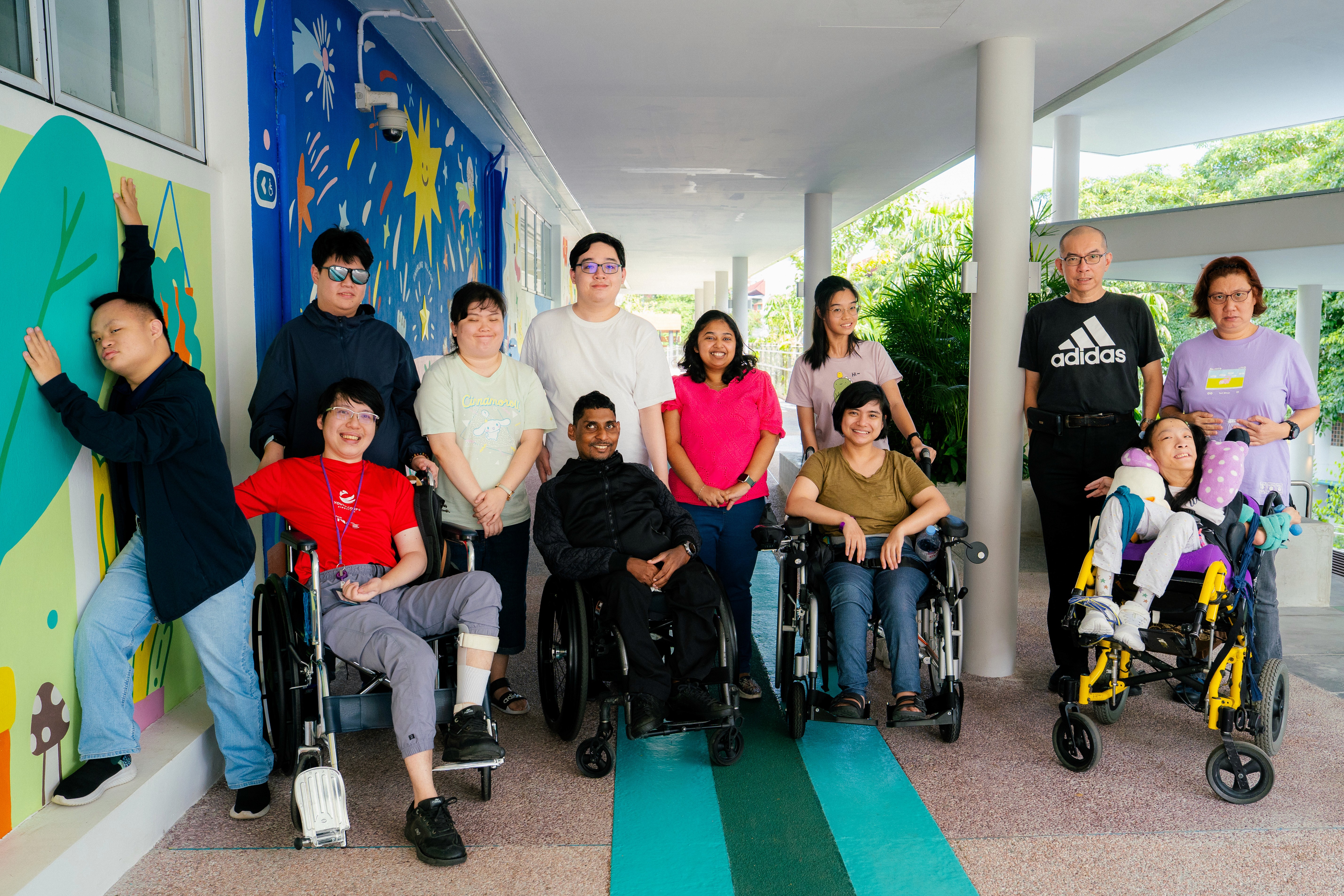
Beyond the Cliff: The work of building alternatives
Routes that expand what's possible before circumstances narrow the options
Mission
Learners
Impact