Published April 16, 2026


In 2018, a mentor came to us with a vision.
He had spent his career in agencies, and he believed — more than we did at the time — in what our graduates were capable of. His idea was simple but ambitious: build an in-house agency that could do marketing and communications work for SMEs, staffed by the very people we had trained. A way to create jobs while creating something real.
We held onto the idea. And then the world gave us a reason to move faster.
When COVID hit, the hiring market froze. Companies that genuinely wanted to support our graduates suddenly couldn't commit to headcount. But many of them could offer something else: projects. Short engagements. Work that still needed doing, even if permanent roles weren't on the table.
Hatch Mediahouse was born out of necessity as much as vision — a way to keep placing graduates when the traditional path had closed.
Running an agency taught us things we hadn't anticipated. We developed a sharper eye for quality and craft — what it actually takes to produce work that meets a professional standard, not just work that's good enough. We grew up, in a way.
But growth also brought tension.
We had positioned Mediahouse as a safe space for graduates to find their footing — a house, in every sense of the word. The problem was that "safe space to grow" isn't a value proposition the market cares about.
Clients want great work. And internally, we found ourselves taking on projects that didn't sit right with us — work we weren't proud of, briefs that didn't align with why we'd built this in the first place. The graduates felt it too. They needed more time to develop, and the pressure of commercial delivery wasn't always the right container for that.
So we made a deliberate choice to narrow.
We turned toward charities and non-profits. The alignment was immediate and obvious — organisations whose missions we genuinely believed in, and who needed communications partners that understood the weight of the stories they were telling. (See Angel's story on the Kita website for what this kind of partnership can look like in practice.)
That clarity changed everything.
But the more we sat with it, the more we realised that the content work and the training work were never really separate.
One of the quiet assumptions underlying our Academy model is that we're not just teaching skills — we're trying to shift what young people believe about the kinds of work worth doing.
Too many of young people arrived having absorbed a very particular story about success. Prestige employers. Certain job titles. A legible path that looks impressive at a family dinner.
SMEs don't often feature in that story — and yet so much of the most purposeful, high-ownership work happens in exactly those spaces. Work where you touch every part of the business, where your contribution is visible, where a small team can do something that genuinely matters.
We can't place people into work they've been taught to dismiss.
Hatch Academy's job isn't just to train people. It's to expand what they believe is possible — and worth wanting.
And the best way to do that is through stories - real stories: The founder who built something from nothing, the graduate who found more purpose in a 15-person company than they ever expected, the marketing role at an SME that offers more creative ownership than any big brand could. Narratives that make a different version of success feel real, and desirable.
This is the loop we're building toward: Media shapes the story. Academy changes who gets to be in it.
And so in this new season, we're pulling together everything we've learned to rebuild. The rebrand isn't just cosmetic. We dropped "house" deliberately. Mediahouse is now simply Media — because the incubation framing no longer reflects what we are.
We're not a shelter. We're a studio.
Looking back at the projects that gave us the most joy, they all had something in common: they weren't just producing content. They were shaping narratives. Helping organisations articulate who they are, what they stand for, and why it matters.
That's what we're building toward. Because purposeful work isn't one thing, and it doesn't look one way. And as a society, we need a much broader definition of what meaningful work can be. That's what Hatch Media exists to demonstrate.
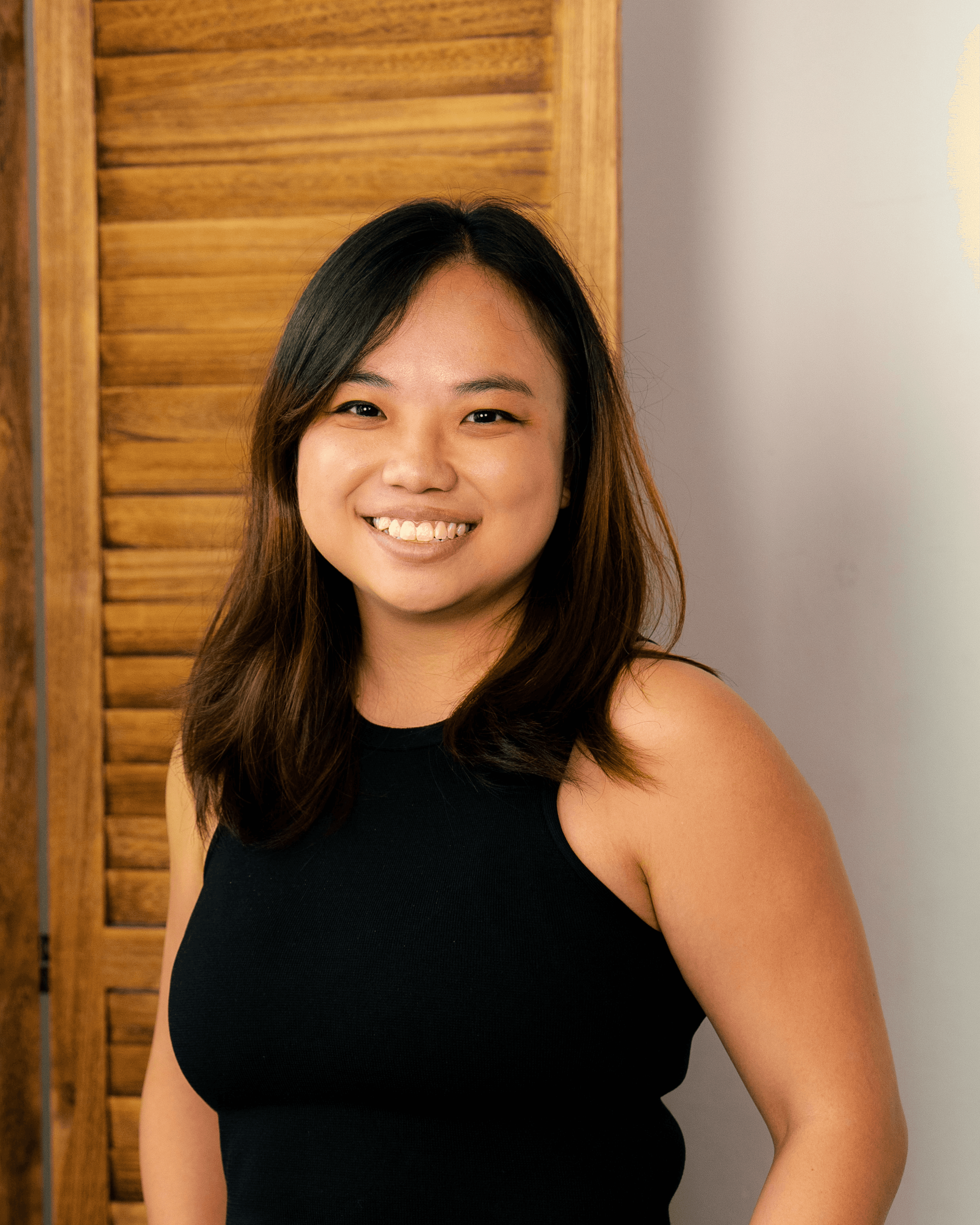
Wan Qing is the co-founder of Hatch and holds the title of Chief Hatch Officer, which means she is the self-appointed steward of Hatch's mission and its people's biggest hype woman — a job she takes very seriously. She also loves bread, and welcomes any and every opportunity to talk about her cats Fika and Kira.
Welcome back to Hatch.
It’s time to step into what’s next—come read about Hatch’s journey, the refresh, and where we’re headed.
Team
Impact
Mission
P.S.T I Built the Hatch Website
A story about building the Hatch website and discovering what truly matters along the way.
Team
Impact
Mission