Published Jul 1, 2026



It’s June so you know what that means. Companies have started implementing rainbow colours to their logos, adding pronouns to their email signatures, and posting about support for the LGBT community. We’ve come a long way as a society and it’s wholesome to see the support that’s been coming in, but how much are we really supporting the community?
We sat down to have a conversation with June Chua, founder of the T Project, Singapore's first and only shelter and social service for the transgender community, founded in 2014. She started her journey of transition when she was 17 and experienced firsthand the stigma attached to being transgender. The lack of viable pathways pushed her into sex work for 20 years, and that experience formed the foundation to build the T Project into what it is today.
Here at Hatch, our work ties in strongly with employment and inclusion, and with June’s story and expertise, we thought, who better for us to get insights from? So in the spirit of Pride Month, we reached out to June to give us her honest unfiltered takes on Workplace Inclusion. Who better to speak on this colourful month of June, than our very own June.
We didn't waste no time and went straight to the point - here's what we learned:
For many LGBT folk, “inclusion” in the workplace is just a buzzword without a definition.
In recent years, Inclusion has become a trendy word that everyone seems to be using, without actually meaning it. The word comes out all the time, but the actions to back it rarely see daylight.
Inclusion is one of the most used but least understood words in today's workplace. All kinds of acts and statements preach inclusivity. Like pronouns in emails and on LinkedIn, but when you ask if they've hired anyone from the LGBTQ community, the answer is usually no. To state that you're inclusive, you need to first define what inclusion means to you.
Real inclusion in the workplace looks like real actions, not generic statements.
Be specific, not generic. When you say "we welcome everyone," it doesn't mean much, it's almost the bare minimum. However, when you say "we are specifically looking to hire transgender people," it shows intent. Don't just follow the crowd; do your part in actually supporting the community.
When you welcome everyone, what does welcoming really mean? Does it mean everyone can work here, or that everyone is treated equally? Does it mean your HR and team are actually prepared with knowledge on how to use preferred names and pronouns, and an understanding of what a transgender colleague might need? Don't welcome someone into an unprepared environment.
Update your company policies. Anti-discrimination policies need to exist in the actual employment contract, with real consequences if someone misgenders a colleague, not just a statement that says "we don't tolerate this behaviour."
A great example comes from an encounter June personally had. A major oil company reached out to The T Project to specifically hire transgender staff for night shifts. Partly because of the single-toilet situation common at petrol stations, but also because they genuinely wanted to help. They trained all their contractors on pronouns and respectful behaviour, but never announced it or made a public statement. They just did it. To June, that's the gold standard.
The most important takeaway? Take action, because talk is cheap. In her own words, "Show me, don't tell me."

The most genuinely inclusive companies aren’t the ones that make the most noise.
The quiet ones are the most genuine. The companies June respects most never waved a flag about being inclusive. A local brand that hired a transgender woman for their ad campaign never announced "we hired a transgender person." They just did it and moved on. That normalisation. Treating it as no big deal is what genuine inclusion looks like.
A common misconception companies have is thinking that welcoming LGBTQ staff means handling them with extra care, being overly cautious, walking on eggshells. June says that's actually achieving the opposite. The moment you start treating someone differently because of their gender identity, even with good intentions, you're not being inclusive, you're alienating them.
Companies often confuse doing more with doing the right thing. You don't need to go the extra mile or take extra precautions to be inclusive. As June put it, "We never asked for special treatment. We only want equal treatment." That's the point she kept coming back to throughout our conversation, and it's one worth holding onto.
Moving past “we’re all humans first” to equal treatment.
The phrase "we're all humans first" meant more at a time when the LGBTQ community wasn't even seen or heard, it was a reminder that everyone is human and deserves to be treated the same. In current times, it's no longer necessary. There's no need for constant reminders that people in the LGBTQ community are human, that's already established and shouldn't even be up for discussion. Now, it's time to see the person first, the way we would with everyone else. See their capability and potential, and look beyond gender identity.
There's a thin line between treating someone equally and coming off as disrespectful, but it's a simple concept once you think about it. Take questions, for example, there are curious questions and affirmative questions. Curious questions invade someone's personal life simply because you're nosy, asking about surgeries, relationships, or transitions. These are questions you wouldn't normally ask someone outside the LGBTQ community. Affirmative questions, on the other hand, come from genuinely getting to know someone, asking about their hobbies, interests, or favourite music.
One comes from curiosity about someone being "different," while the other comes from genuine interest in them as a person, unless you've already built a close relationship where those boundaries are open. A simple guideline: ask yourself, "would I ask this of a straight colleague I'm not close to?" If the answer is no, don't ask.
Once you've built that relationship, small changes go a long way, like using gender-neutral language naturally. Asking if someone has a "partner" instead of a "girlfriend" or "boyfriend" removes assumptions while still making complete sense. It's a small change, but it makes a huge difference.

In an inclusive workplace, green flags can be visible, subtle, or anywhere in between.
The standard for green flags isn't actually that high. All it takes is being a decent human, everything else comes naturally.
The biggest green flag is the simple fact that they hire people who are openly LGBTQ. That alone speaks volumes. It means they saw beyond identity and gave an opportunity that many companies wouldn't.
A more visible sign is allyship. If a company claims to be inclusive, they should be taking real steps to support the LGBTQ community, from celebrating Pride Month with actual LGBTQ speakers, to medical benefits that cover things like HRT or transition-related care.
This next one's a little harder to notice, but it might be one of the biggest: when a company doesn't claim to be inclusive at all, yet still hires openly LGBTQ individuals. That speaks volumes on its own. It means they're choosing capability over bias or normalcy, and the best part is, they don't even feel the need to make it a branding exercise. It's just how the company works.
That said, even with all the green flags and genuine allies out there, there's almost always a trade-off to accept. It comes down to what you personally want and value most at this point in your life. Sometimes that means holding back part of yourself for stability, like not feeling free to express yourself fully at work, in exchange for being in a company that's otherwise accepting. Other times, it means choosing to be fully yourself, even if that comes with friction or pushback.
Creating a welcoming workplace can start with the small things.
Sometimes, it's really not about big statements or speeches. It's the day-to-day small things that are closer to home. Stickers, flags, posters around the office. Things like this seem minor but add so much heart to the environment. It's something that reaches out to the community without even actively trying to. Take a lesbian-owned cafe with a Pride flag on display, for example, it immediately signals safety without anyone needing to say a word, welcoming anyone who walks in.
As mentioned earlier, the language used in the workplace makes a big difference, even with the slightest tweaks. Things like "ladies and gentlemen" being replaced with "esteemed guests." Instead of "bring your boyfriend or girlfriend" for a company event, say "bring your partner." These little changes mean a lot, they make people feel truly welcomed.
Recognising chosen family. This one isn't very common, nor talked about often, but June believes it's something worth noting. In her own contracts at The T Project, she includes grief leave not just for biological family, but for "chosen family" — and even pets. Many individuals in the LGBTQ community rely on chosen family rather than biological family, so having company policies that recognise this is a heartwarming way to welcome the community.
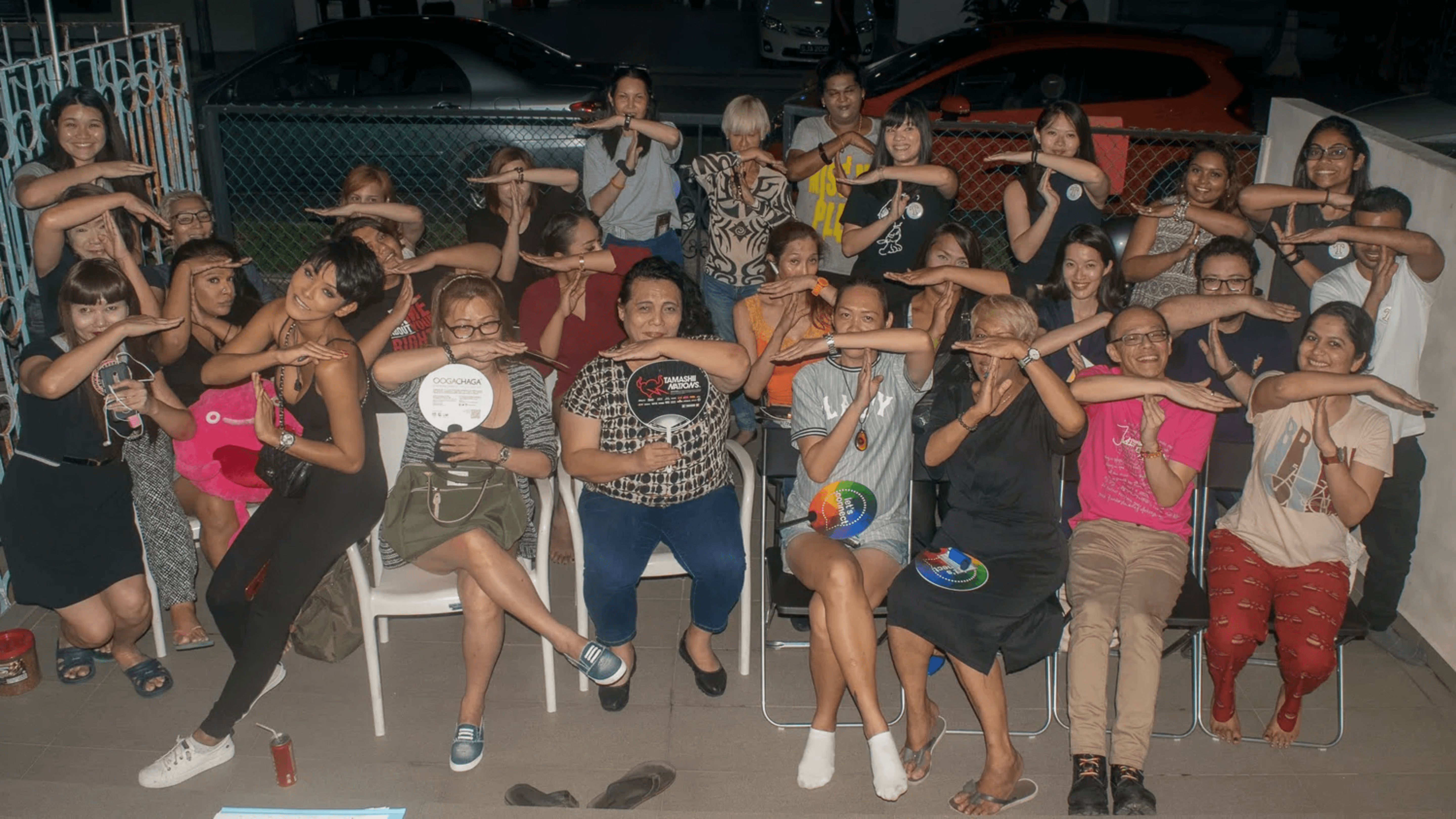
Rewriting the hiring process at the T Project.
To start off, we can talk about the biggest thing she does, completely rewriting the hiring process. No longer the traditional way of looking at qualifications. People with diverse and difficult backgrounds. People with criminal records. People who are HIV positive. People without formal education. The more difficult their background, the more likely she is to hire them. She does this because she values a person's story and potential over the usual credentials and resumes. To her, anyone can learn, anyone can train, anyone can be ready for a job.
As mentioned before, trade-offs are unavoidable, and June personally admits to that in her own leadership. The T Project has developed a partnership with the government, which provides far more resources than they could have had alone. They went from one shelter to three, but this came with less control and decision-making power. This is what she means by "choosing her battles." In her case, she prioritised what benefits the community most, even if it meant giving up full control.
Just like she did when she was 17, and like many people in the LGBTQ community, June chose between embracing her true self and dealing with the consequences of society at the time. She made that choice and built something from nothing. She didn't seek sympathy or special treatment, just opportunity. June wanted to be treated equally, without regard to her gender or her past.
Times have changed and society has evolved, but it's time to take it to the next step. Acceptance was the start, support came after, but real inclusion comes with equality and opportunity. More than waving a flag or following a trend, taking action and doing your part is what inclusivity is really about. It's a value that should be embedded within the company.

So if there's one thing we can take away from this insightful chat with June, it's to act on it. Conversations like this remind us why what we do matters. At Hatch, we don't just find placements, we build fair pathways into employment. Pathways for all sorts of backgrounds, because everyone deserves to be treated equally - no more, no less. Change comes from the opportunities we give people, and we hope more workplaces choose to do the same, whether it’s June or not.
Images from The T Project and The Foundry.

Sasi is a Social Media Executive at Hatch, where he works on building content. With little knowledge on the LGBTQ community, he took this Pride Month as an opportunity to learn, and share his insights he got from June.

Inclusion Is a Long Game — here’s what that actually looks like
Inclusion in employment demands long-term support, flexible pathways and judgment-building to help overlooked talent build real livelihoods.
Impact
Mission
Learners

Welcome back to Hatch.
It’s time to step into what’s next—come read about Hatch’s journey, the refresh, and where we’re headed.
Team
Impact
Mission
