Published April 24, 2026


Where it all started — for both organisations
Here's something people don't always realise: Hatch and Kita didn't start one after the other. We started both together.
From the very beginning, we were doing two things at once: building a social enterprise with Hatch, and running youth programmes that would become Kita. Our very first cohort was three young people learning web design - youths who had dropped out of formal education and who most people had quietly written off as unlikely candidates for a digital career. We refused to accept that. We ran small pilots, worked closely with the youths and with employers, and showed that with the right environment and the right support, it was possible. And more possible than we realised, as they have proved.
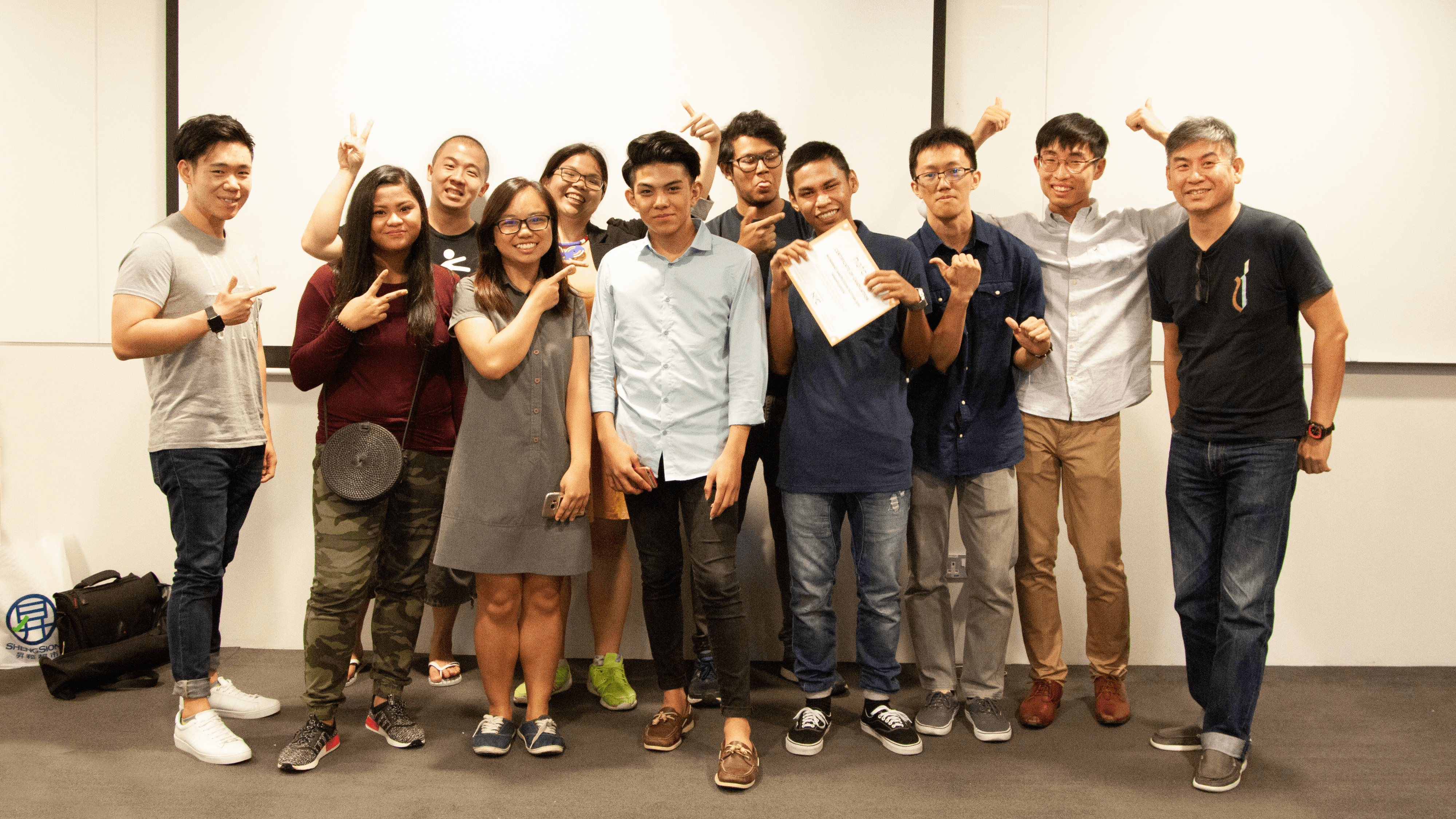
Our first demo day — two of them presenting their work. It was an emotional day for all of us.
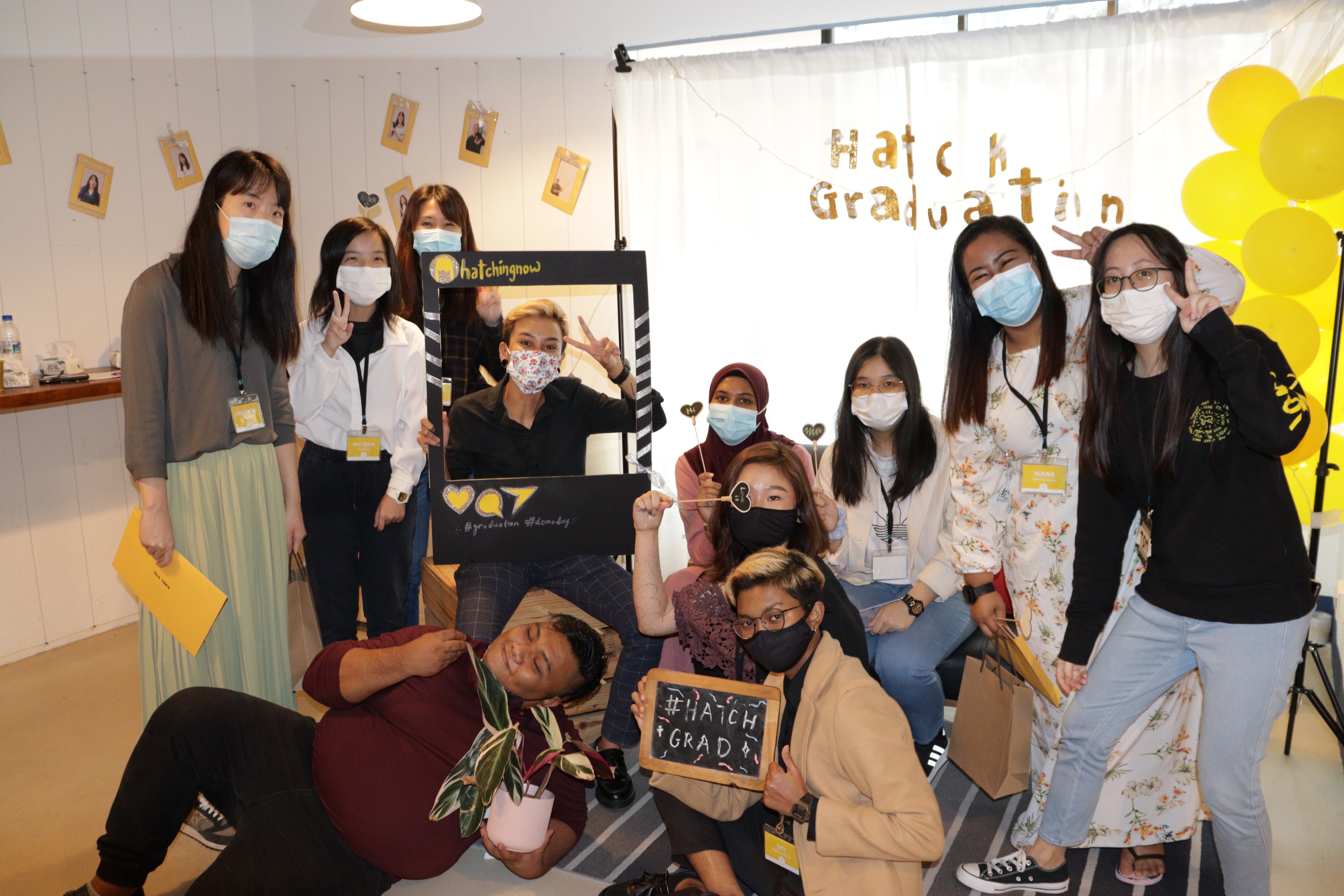
Photo: An early cohort demo day, circa 2020. The energy in that room never got old.
Those early demo days were everything. They were scrappy and proud and genuinely electric. The youths presenting their work to real employers, and employers realising they had been sleeping on the depth of potential in this unassuming pool of talent. That was the proof of concept. That became the source of truth we built everything else on: individual stories that hinted at a much larger ambition of solving this problem at scale. That was where both Hatch and Kita - before we had those names - first came alive.
The original plan, and where it started to strain
The logic we built around this was: grow Hatch into a strong enough social enterprise, and the business could cross-subsidise the youth programmes. Impact and revenue, reinforcing and enabling one another.
For a while, that held.
But youth needs don't sit still. The young people we served kept returning, not because the programmes failed, but because the challenges they faced were layered and ongoing. In one moment, a recent graduate could be excelling in the role and about to be converted full-time. And in the next, she was at risk of being homeless after getting into an argument at home. We wrote about some of this in [Inclusion Is a Long Game]: the part of the work that doesn't show up in a placement rate, the conversations that happen over months with no agenda, no outcome metric, that nonetheless impacts the direction of someone's life. Our communities needed more from us. We took that responsibility seriously, to the youths, and to the funders who had placed their trust in us to do right by them.
Which meant the question we kept getting, quietly at first and then not so quietly, from funders and stakeholders alike was: when is Hatch going to be strong enough to carry this?
That is a fair question. It was also one we didn't yet have a clean answer to.
The weight of it
Here's the part we don't usually say out loud: the weight of holding all of it together fell heavily on the founders. Running Hatch Academy, Hatch Mediahouse, and the youth programmes at the same time meant we kept giving more of ourselves into each of these pieces, trying to make sure none of them suffered for the others. We were stretching, and we knew it.
So we made a decision, and it wasn't purely made on business strategy. It was about an honest evaluation of our strengths, and more importantly, about where we each personally wanted to grow. What did the work need of us, and who was the best person to do it? The split wasn't just structural. It was intentional: let each organisation be led by the person best placed to take it forward, and let each of us focus our energy where we could genuinely do our best work.
Two organisations, two reckonings
When I took over Hatch fully, the work that followed was a genuine reckoning, specifically about what Hatch is and what it can do in this sector. I went back to the beginning: every assumption, every pivotal decision, every juncture where we had made a call that shaped the direction of the business. That process was mine to do, and I did it.
Kita, for Victor’s and Liying’s part, ran their own strategy review. They looked at what the organisation needed to become on its own terms: what the youths truly needed, what Kita's identity was outside of Hatch's orbit, and how to build something that could serve that community with full focus. Two organisations, two honest reckonings, happening in parallel.
What's true now
The youths needed more, and Kita, as its own organisation, is now built to give more. A genuine safe space, where young people are held across the complexity of their lives, not just their employability. We are also better able to honour our responsibility to the funders who believed in this work, because both organisations can now be accountable clearly and on their own terms.
Hatch is starting its next chapter, and I mean that in the most genuinely exciting way. We're not done. We're just getting to the good part.
For Hatch, the next chapter is about going deeper on what we do best: building the infrastructure that connects underrepresented talent to meaningful employment, at greater scale. We are developing our apprenticeship model to work directly with employers who want to hire differently and build teams that actually reflect the communities they serve. And we are pursuing SSG accreditation for our Academy arm, because we believe the programmes we have built deserve to sit alongside the best in the sector, not outside it.
On the Mediahouse side (now Media), we are doubling down on the belief that employer branding and social impact communications are not separate industries - they are the same conversation. The organisations that will attract the best talent in the next decade are the ones that can tell an honest story about who they are and who they hire. That is exactly what we help build. Two arms, one flywheel, and a much clearer sense of what we are here to do.
So that's the lore. The real version: perhaps a little messy, but in our view not-so-little mighty. Two organisations, figuring out how to do right by their communities, and choosing to keep going.
I am proud of where we are. Of how we made these decisions for our team, our communities, and everyone who placed a bet with us. Really, this takes a village.
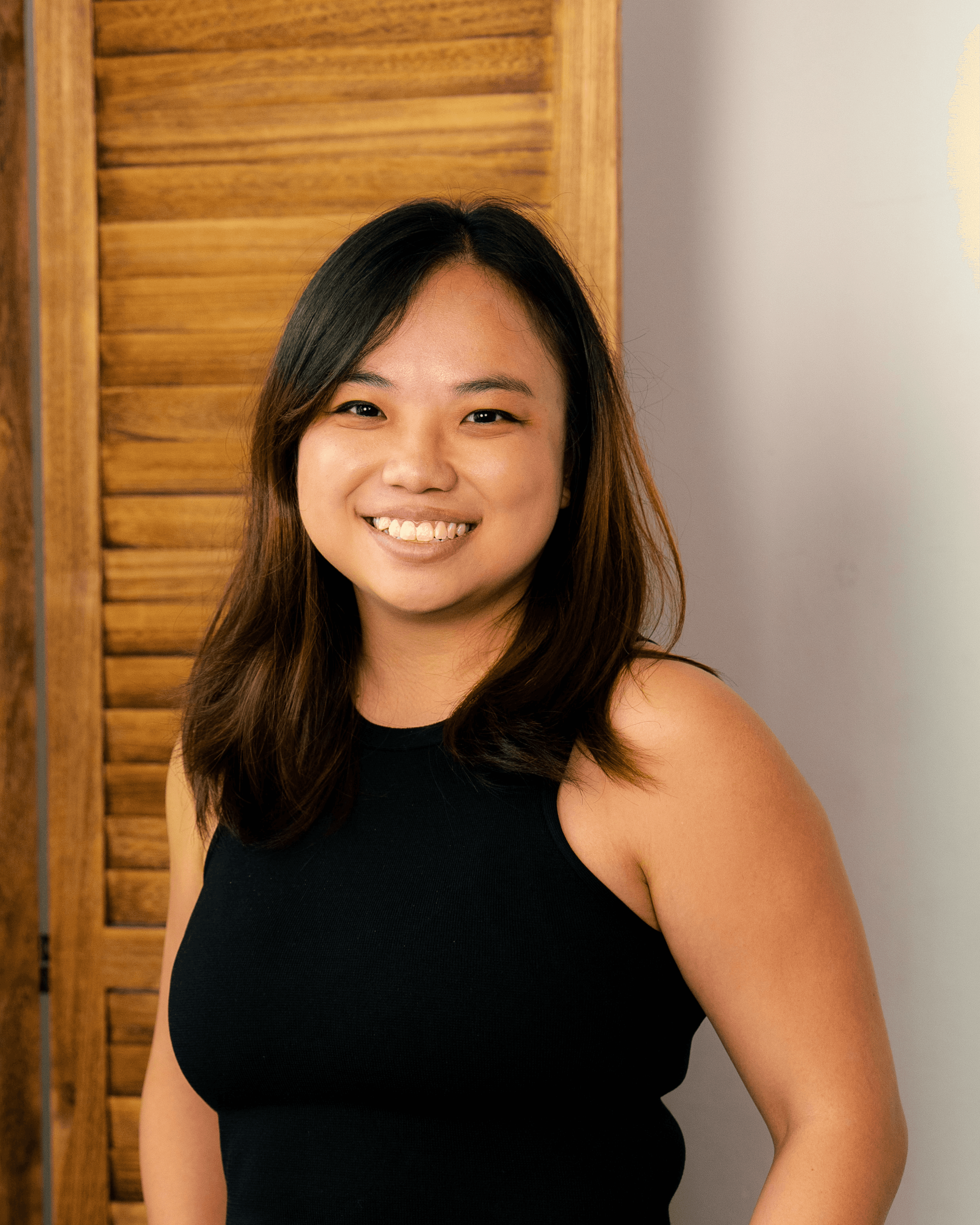

Wan Qing is the co-founder of Hatch and holds the title of Chief Hatch Officer, which means she is the self-appointed steward of Hatch's mission and its people's biggest hype woman — a job she takes very seriously. She also loves bread, and welcomes any and every opportunity to talk about her cats Fika and Kira.