Published Jul 1, 2026


"Most graduates have limited social networks, having been in the special education system since childhood. Caregivers juggle round-the-clock support while searching for ways to keep their youths engaged, active, and hopeful about the future — often with little respite."
- Project Kopi Teh Makan by Ray of Hope
I need my daily fix of Teh O Peng, every day, during lunch. It has become such a habitual part of my life that I give it no second thought. Something feels weird without it - like I had an incomplete lunch no matter how much I ate. The first sip is always the best. The instant hit of an ice cold drink, the creeping bitterness of the tea, and the rush that comes from sugar. Then I might get a little full half cup through. "Maybe I drank too fast, too much at once". I push through that feeling and finish the tea, desperately slurping up the last remaining drops in a pool of ice. "Should I get another?"
Bear with me.
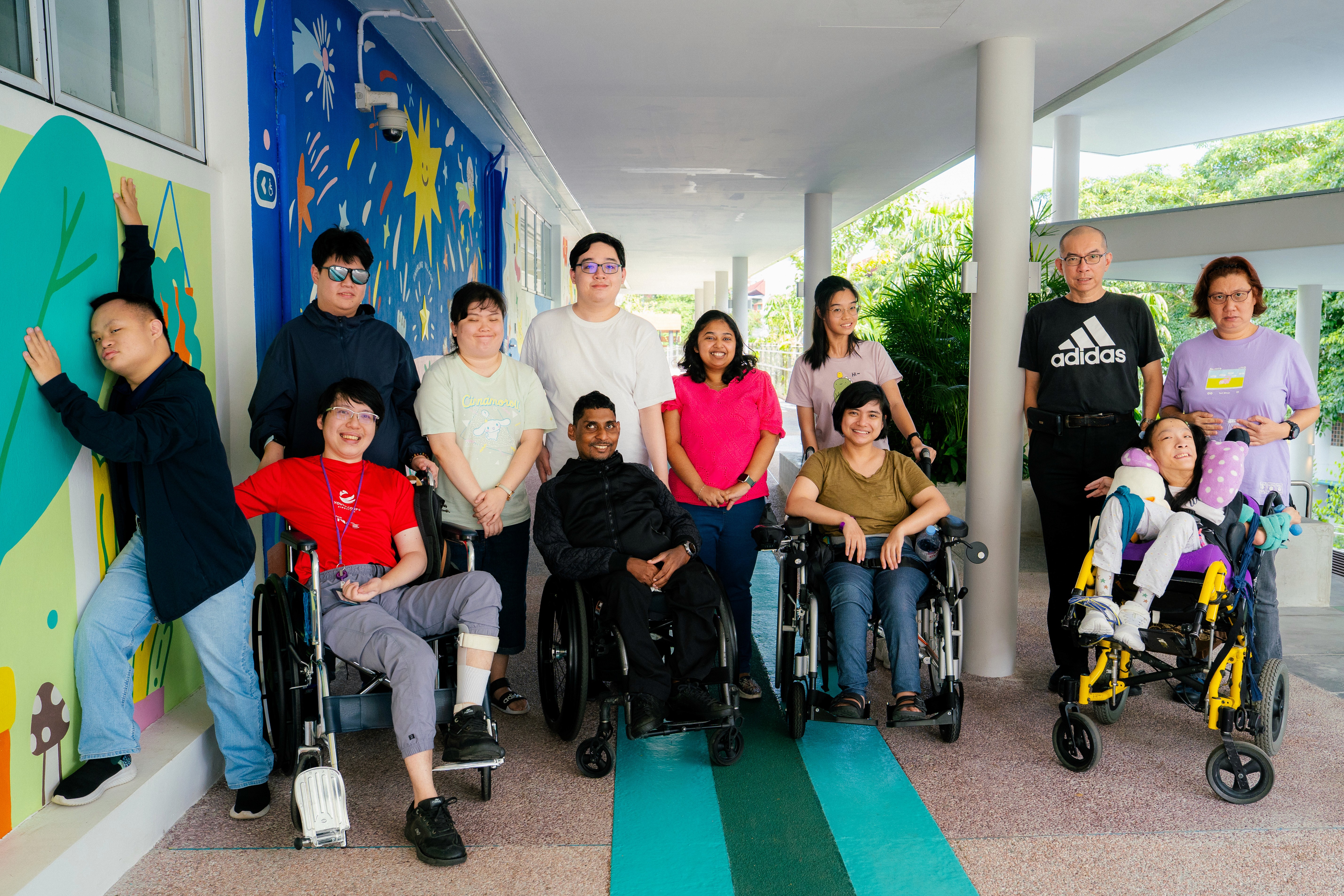
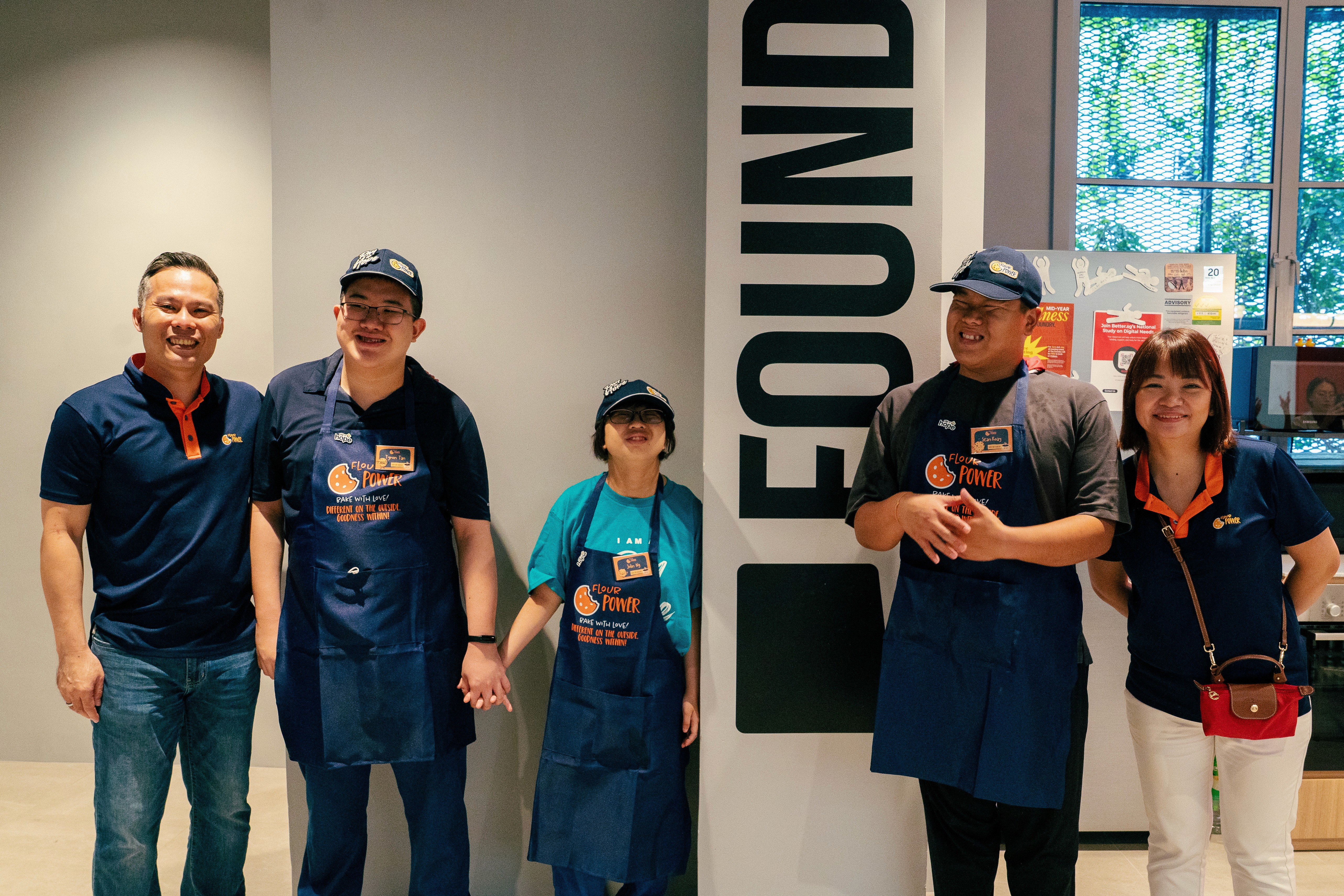
Last year, I came to know of Ray of Hope's Kopi-Teh Makan (KTM) project through Hatch. It focuses on bridging the post-18 cliff faced by youths with special needs who, after graduating from formal education, struggle with what's next. KTM opens the door for these youths to have an entry point into the corporate world by creating micro-jobs for an already existing need, in an already existing environment - kopi, teh and snacks in the office pantry. Hatch came onboard to document the process, in hopes that it could lead to more opportunities opening up for the youths. I shot and edited.
The idea started as a short documentary capturing the entire journey - from selection, training, and deployment to the corporate offices. 10-15 minutes. Raw. Moving. Impactful.
The project started, and I tagged along with the youths, capturing their journeys and stories. I got acquainted with many of them, and they got used to the presence of a camera constantly pointing at them. Sean always smiled at the camera when it was pointed at him. Tyron would stare for a little while, come up to check what the camera was about, then move on. Alex and Jolin would sheepishly look away when the camera was pointed at them. Sharlene wasn't bothered - she knows me from a programme that Hatch is running. And although Mohan previously met me through Hatch's programme and says he remembers me, I wasn't always sure he was comfortable with me or my camera.
Then came a renegotiation of scope. 10-15 minutes might be too long to reach out to corporate companies and move them to action. Something more bite-sized was needed. Quick. Concise. Effective.
We broke the scope down into 4 short videos instead. What you see here was me being a hermit for 2 weeks. It was tough - reimagining and recutting the footage for 4 more specifically targeted videos. The back aches didn't help.
Part I: Bridges (What KTM is, and who it is for) Part II: Spaces (What corporate companies can do) Part III: Resilience (Perspective from a caregiver and youth) Part IV: Assurance (Sean's story).
You can watch them here.
In the midst of editing the videos, a few things crossed my mind:
The neurotypical environment can easily get used to having neurodiverse individuals as a crucial part of the landscape.
Maybe it's not about big changes or new ways of doing things. It's pulling together resources and multi-purposing them as stepping stones.
It is almost always about connection(s), whether of networks or emotions.
Just like my Teh O Peng. It has become such a habitual part of my life that I give it no second thought. But back then, the switch from Teh Peng (when I was still in my early youth) to Teh O Peng was hard. Tasteless and hard to digest. Now, I can't imagine another cup of Teh Peng. Too jelak.
Similarly, having neurodiverse individuals as part of the neurotypical environment is just a matter of getting used to a different lifestyle, a different way of engagement, a different vibe. We do it every few months anyway (think Windows or Apple OS updates). We might be habitual creatures, but being adaptable is also one of our calling cards. We should be proud of our specialties, and exercise them often. Before we know it, a "typical environment" will come to mean a very different thing, and it will feel weird not having neurodiverse individuals as part of it.
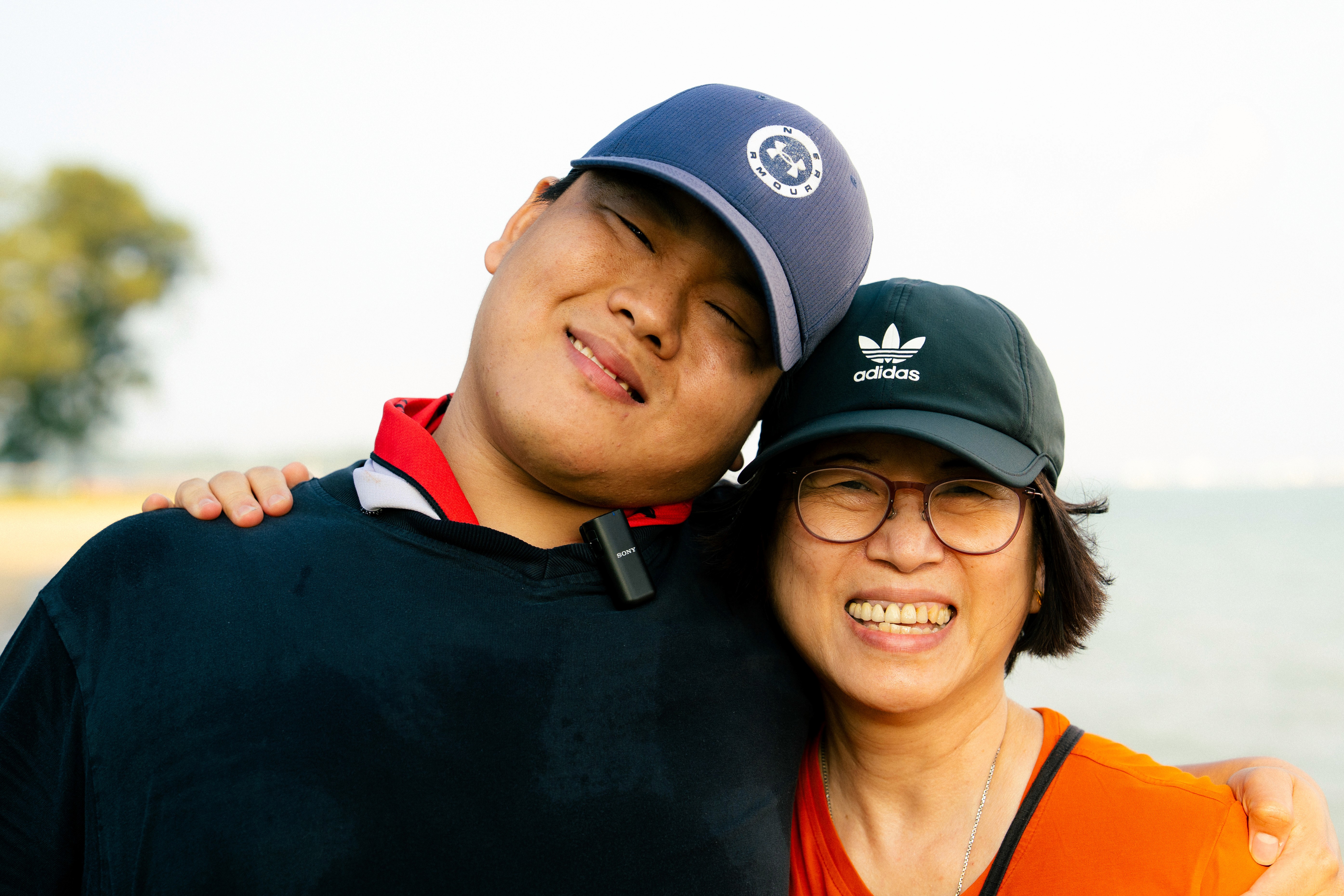
The mid-cup fullness might induce some regret to the initial enthusiasm, a whispering voice saying "maybe we should give up and try something else". But a new type of drink may not always be the answer. Maybe just allowing the ice time to dilute the drink? Maybe sharing it with a lunch buddy? Maybe what we need is to give neurodiverse individuals and their experiences time, and to share what we already have to turn it into something that benefits everyone.
Finally, I've come to learn that the best Teh O Pengs I had are the ones I had with lunch buddies. Lunches that were filled with ideas and chatter. I remember the Teh O Peng is good because there was a positive emotional experience connected to it. We are sentimental, social and sensitive. If something moves us, we will remember it, we will fight for it. That's my hope for this project.

Zenas is Assistant Creative Director at Hatch Media, and an opinionated, sentimental freelance videographer and photographer.

“See the person first”: Meet Jun Hong and Zenas (the men behind programmes for PWDs at Hatch)
Get to know Jun Hong and Zenas - the duo who helm our vocational trainings for PWDs and serve our community of learners as job coaches - and the strong opinions they hold beyond their bios.
Team
Impact