Published Sept 29, 2026


As a leader, I spend a lot of time thinking about what growth looks like for each person on my team. It's one of the more fulfilling parts of the job, and one of the least straightforward.
In our team, we love talking about work, and how it intersects with our personal lives and our own identities. A favourite question we like to ask each other: if you were to draw your life and work as a venn diagram, what would the overlap look like? It's a fun question, but underneath it is something more serious, especially in a sector that asks so much of people's personal lives, hearts fully out, in a way that other sectors rarely do.
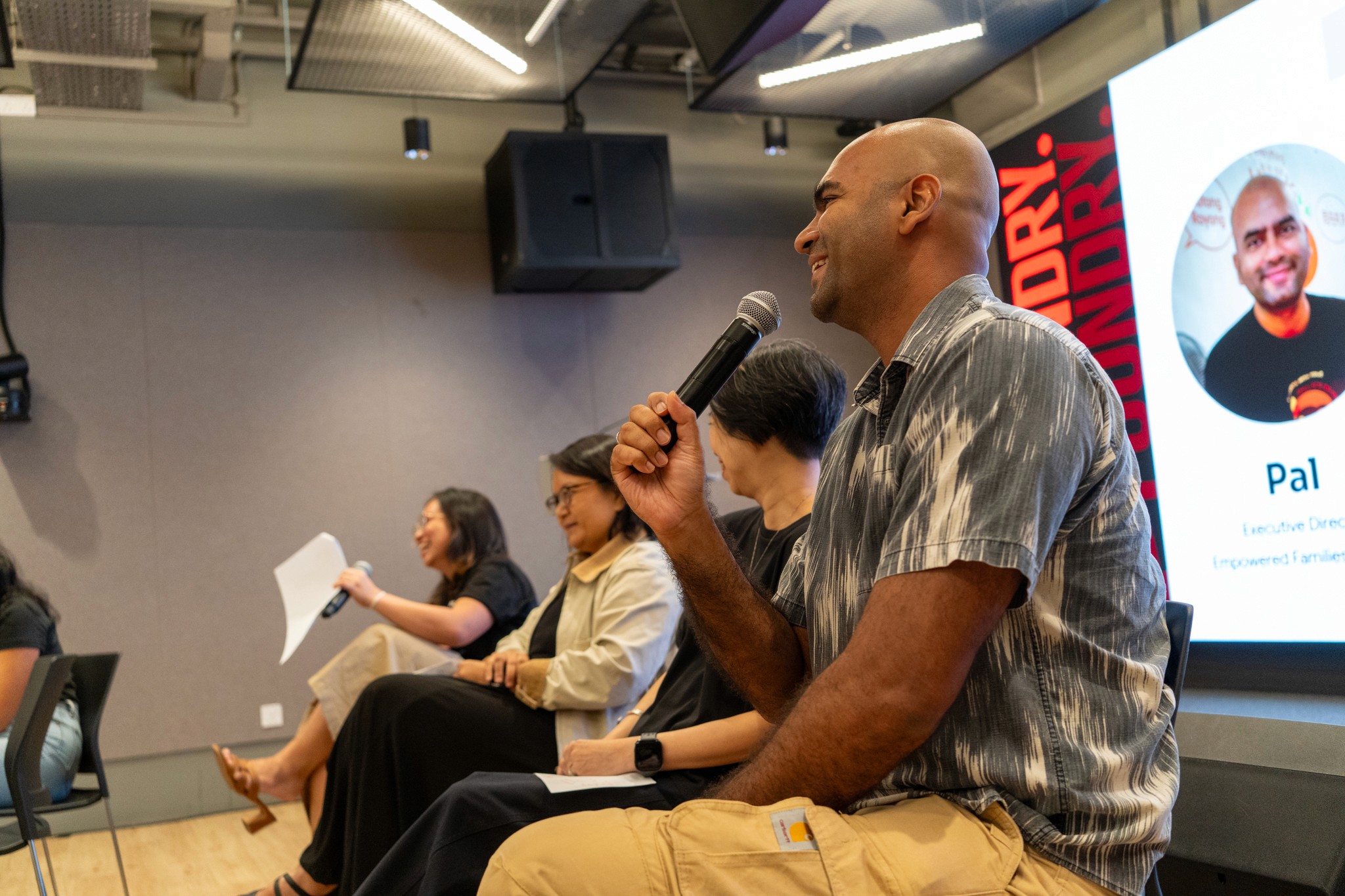
We brought this curiosity to the Foundry community for a conversation with three social sector veterans - Jim See, Palvindran, and Patsian. The question of what career growth looks like in the social sector here raised even more questions even as it surfaced a few insights - it turns out both are equally valuable signposts.
What does growth look like for someone who wants to stay close to the work, not manage away from it?
It can sound unconventional to say that growth might just mean deepening your skill, rather than climbing. Take a social worker. If you choose to specialise instead of moving into people management, there's often an early ceiling, real or perceived. Some people are genuinely happy staying there. But for people early in their careers who want to keep challenging themselves, who have real ambition, what does that ambition translate into, if the only visible next step is a manager title they may not even want?
What do small organisations owe people who want ambition without a ladder to climb?
There isn't a long ladder to climb. There's rarely a parallel technical track sitting next to the management one. So what does career growth in social impact actually look like, when the org itself is only a handful of people deep?
What would it take for this sector to pay like it means what it says about the value of the work being done?
The people doing strategy are so often paid substantially more than the people doing the frontline work, the hard and heart-heavy work that actually keeps people fed, housed, and employed. If we say we value that work, our compensation structures rarely say the same thing back.
A few insights surfaced clearly enough to carry forward.
An unclear path isn't a red flag. If you're early in your career and the way ahead looks murky, that's normal, not a sign you've chosen wrong. What keeps people around isn't the mission alone, it's people and leadership.
Stay-or-leave decisions generally hinge more on relationships and the quality of leadership, than on the cause itself. Poor leadership was the recurring reason people left, strong leaders and real community the recurring reason they stayed.
Stop measuring a career here only by the impact made, and start asking what you built professionally. Stakeholder management, empathy, project delivery, these are transferable, negotiable skills, whether you stay in the sector or eventually move on.

We closed on a question rather than an answer: how do we define a good career?
I don't think it's fair to leave that entirely to individuals to figure out alone, the way we mostly do now. If organisations like ours want people to build real careers here, not just pass through on their way somewhere else, we have some responsibility to make the path more visible. Not a single template everyone follows, but enough reference points that a 24 year old joining this work can see a handful of shapes their future might take.
Patsian closed the session by asking everyone to rewrite their CV, right then, for themselves, to surface what they'd actually built. I thought that was such a powerful way to end. It pulls you back to the real skills underneath the job title, and it's a good reminder that this sector, more than most, trains you in what it actually means to be human at work.

Wan Qing is the co-founder of Hatch and holds the title of Chief Hatch Officer, which means she is the self-appointed steward of Hatch's mission and its people's biggest hype woman — a job she takes very seriously. She also loves bread, and welcomes any and every opportunity to talk about her cats Fika and Kira.
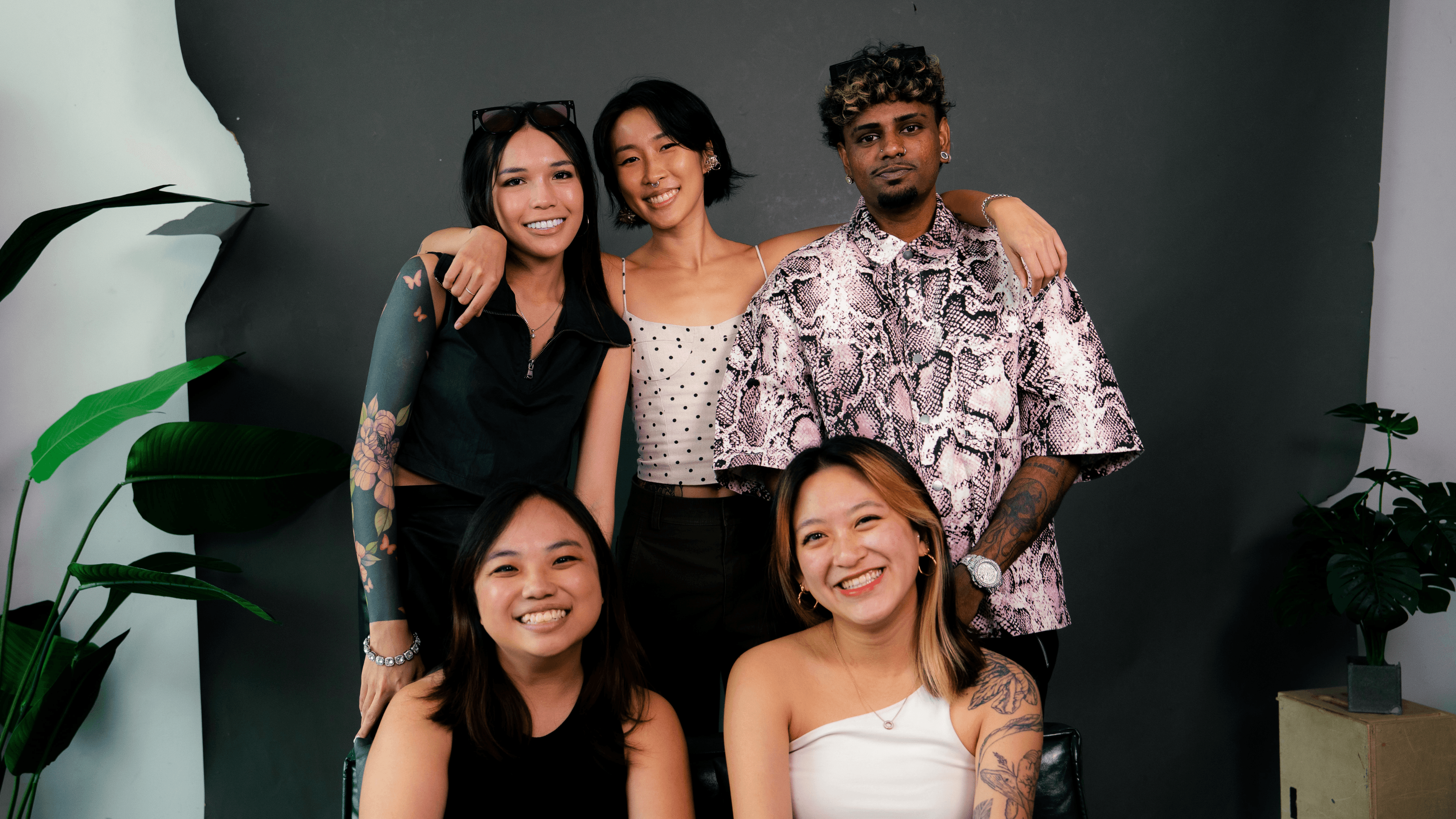
The Hatch Media Story: From Incubation Experiment to Narrative Studio
The story of how we learned to run an agency, why we narrowed toward charities and non-profits, and why shaping narratives is how we expand what young people believe is worth wanting.
Mission
Impact
Product